
How SD-WAN Transforms Enterprise Connectivity
Key Takeaways:
- SD-WAN enhances network flexibility and efficiency, supporting cloud integration and remote work.
- Integration with SASE frameworks strengthens security by unifying networking and security services.
- AI-driven SD-WAN solutions offer proactive management and improved user experience.
- Adoption of SD-WAN is accelerating globally, with enterprises prioritizing unified networking and security.
The modern landscape of enterprise networking is constantly evolving, driven by the need to support cloud applications, flexible workspace strategies, and increasing security demands. Today’s organizations must pivot quickly, integrate seamlessly, and keep users and data protected across a vast digital surface. Central to this transformation is secure SD-WAN, a technology offering agility, resilience, and streamlined control in network operations.
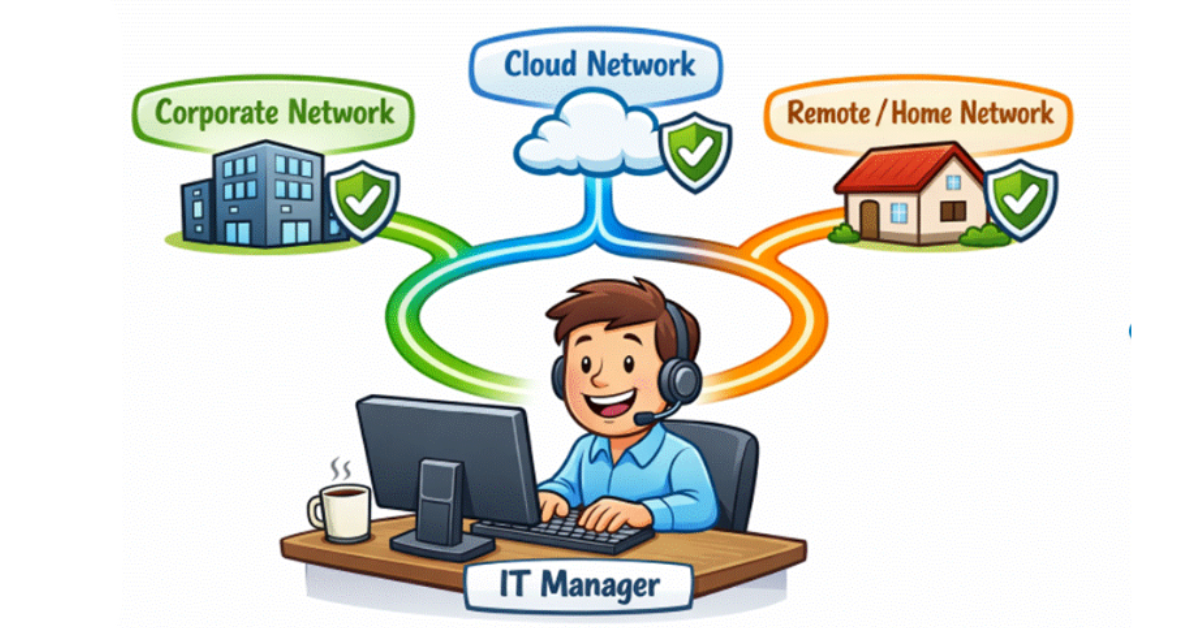
It delivers a new network paradigm, replacing complex, static WAN architectures with a dynamic, policy-driven solution that bridges cloud, corporate, and remote environments. By giving businesses, the capabilities to optimize bandwidth, deploy sites in days, and implement robust security controls, SD-WAN is rapidly becoming a cornerstone for modern connectivity.
Understanding SD-WAN
At its core, SD-WAN virtualizes traditional wide area networking by leveraging software-based controls. It combines key networking elements to build secure, highly efficient private networks. Unlike legacy WAN approaches that depend heavily on dedicated MPLS circuits, it can dynamically allocate bandwidth across myriad connection points, supporting both internet and private links. This flexibility enables organizations to direct traffic based on real-time needs, ensuring critical applications receive premium performance while reducing costs.
Key SD-WAN features include central controllers for policy management, integrated analytics, zero-touch device provisioning, and intelligent cloud-based management. These capabilities enable IT teams to respond quickly to demand changes, manage security at scale, and keep users connected no matter their location.
Additionally, SD-WAN’s programmability allows organizations to maintain a consistent quality of experience for end users. Granular policies can prioritize critical applications such as video conferencing or SaaS tools over less important traffic, thus maximizing the business value of network resources. With this level of granular control, SD-WAN not only boosts operational efficiency but also paves the way for seamless collaboration and more productive workflows across distributed teams.
Benefits of SD-WAN
Organizations adopting SD-WAN report significant return on investment and operational gains. Research shows a 30 to 50 percent reduction in overall WAN costs, primarily due to the ability to use cost-effective internet circuits alongside private links. Application performance improvements are also dramatic, often delivering 50 to 70 percent better user experience, especially for latency-sensitive or cloud-dependent workloads.
Perhaps most importantly, deployment timelines shift from months to mere days. Centralized configuration and remote provisioning eliminate much of the traditional manual setup associated with legacy WANs. This rapid deployment is critical for organizations expanding to new locations, onboarding remote teams, or integrating acquired businesses quickly within their operational network.
The scalability of SD-WAN makes it especially valuable for dynamic enterprises. As new branches or remote users come online, network expansion does not require significant physical infrastructure changes or complex logistics. Enterprises can swiftly adjust policies and configurations through unified management platforms, ensuring fast time-to-value for new service initiatives. These efficiencies enable organizations to better navigate market shifts and customer demands while maintaining a robust, reliable network backbone.
Integration with SASE
The shift towards digital transformation and more distributed network environments has underscored the need for unified security frameworks. Secure Access Service Edge (SASE) represents this convergence, combining SD-WAN with comprehensive security functions including firewall services, secure web gateways, CASB, Zero Trust Network Access (ZTNA), and advanced threat protection, all delivered as cloud-based services.
This integrated approach not only simplifies management by consolidating networking and security but also strengthens the protection of users, applications, and data across diverse environments. As organizations move away from managing siloed security solutions at each branch, SASE ensures that every network touchpoint, whether a physical office or remote user, benefits from centrally governed, always-on security.
Unifying SD-WAN with SASE enables IT teams to enforce consistent policies organization-wide and respond faster to evolving threats. Automated threat detection, data loss prevention, and secure access controls are extended to every node in the network, closing gaps that might otherwise be exposed in piecemeal architectures. With regulatory compliance requirements also on the rise, SASE helps businesses reduce risk and maintain continuous alignment with industry standards and best practices.
AI-Driven SD-WAN Solutions
Artificial intelligence is revolutionizing SD-WAN by enabling proactive network management and user experience optimization. Solutions like VMware’s next-generation SD-WAN introduce integrated AI that monitors traffic patterns, anticipates performance bottlenecks, and automatically reroutes data for maximum efficiency. Whether users are connecting from the main office, branch locations, or their home, AI-driven SD-WAN delivers reliable and secure application access across any network and device.
This continuous optimization and self-healing network capability translates into fewer outages, consistent uptime, and simplified troubleshooting for IT teams. With the rise of remote and hybrid work, these benefits are increasingly essential for maintaining enterprise productivity.
Furthermore, AI and machine learning algorithms add predictive analytics capabilities that help IT leaders make informed decisions about capacity planning, risk management, and service delivery. By identifying anomalies or impending network degradations, AI-powered SD-WAN allows faster incident resolution and supports business continuity initiatives. As organizations generate more network data and move closer to fully autonomous networks, the synergy between SD-WAN and AI will continue to drive innovation in enterprise connectivity.
Global Adoption Trends
The momentum behind SD-WAN adoption is building at a global scale. According to recent analysis from Cisco, enterprise organizations are rapidly migrating from traditional leased lines to SD-WAN and SASE solutions in response to escalating cyber threats and the demand for unified, cloud-ready architectures. This acceleration is particularly pronounced as companies embrace hybrid work and digital-first strategies, which require robust, flexible, and comprehensive networking solutions.
Leading analysts note that this trend is likely to intensify, with enterprises prioritizing investments in technologies that combine networking and security under a single umbrella. This consolidation supports faster innovation cycles, lower operational overhead, and more resilient network performance in an increasingly volatile security landscape.
In addition, as regulatory pressures and data sovereignty concerns become more central to enterprise operations, global SD-WAN providers are expanding their portfolios to include advanced compliance controls and localized service options. This ensures that multinational organizations can remain agile and competitive while also meeting specific legal and regulatory mandates across jurisdictions. As vendors enhance orchestration capabilities and offer more regionally distributed points of presence, SD-WAN will continue to serve as a bridge to global business expansion and digital transformation.
Conclusion
SD-WAN is changing the way enterprises approach network connectivity by offering flexible, efficient, and highly secure solutions that keep pace with cloud adoption and workforce mobility. Its integration within SASE frameworks, coupled with forward-looking AI enhancements, provides organizations with the tools required to thrive in a digital-first future. For businesses committed to agility, security, and competitive advantage, embracing SD-WAN is a powerful move towards resilient and unified enterprise networking.
As the network edge becomes increasingly complex, organizations leveraging SD-WAN are better positioned to embrace emerging technologies, drive innovation, and future-proof their connectivity strategies. By automating routine processes and unifying disparate security and networking functions, SD-WAN grants enterprises the foundation they need to scale confidently into new markets and enable a more distributed, adaptive workforce. The journey to digital excellence starts with a robust, agile network core, and SD-WAN leads the way.