Woolrec: Powerful Shift Toward Sustainable Wool Innovation
Woolrec is a term formed from the combination of “wool” and “recycling,” and it represents a modern approach to extending the life of one of the world’s oldest natural fibers. Wool has been valued for centuries because of its durability, insulation, and natural origin, yet large amounts of wool products are still discarded every year. This growing waste problem has encouraged industries and innovators to rethink how wool can be reused rather than thrown away.
The concept behind Woolrec focuses on transforming used or discarded wool garments into reusable fibers without stripping them of their natural qualities. Instead of treating wool waste as the end of a product’s journey, this process views it as a beginning. Through careful recovery and processing, wool is given a second life, helping industries reduce waste while preserving material value.
As sustainability becomes a global priority, Woolrec has gained attention across multiple sectors. From fashion and interiors to industrial applications, the approach highlights how traditional materials can adapt to modern environmental needs. It stands as an example of how innovation does not always mean creating something new, but rather using existing resources more responsibly.
The Concept and Philosophy Behind Woolrec
The philosophy of Woolrec is rooted in the idea of circular use, where materials are continuously reused instead of discarded after a single lifecycle. Wool, although biodegradable, often ends up in landfills due to mixed fibers, fast fashion cycles, and limited recycling infrastructure. This reality has pushed the textile industry to explore smarter recovery methods that respect both the environment and material heritage.
Woolrec addresses this challenge by rethinking waste as a resource. Instead of relying solely on newly produced wool, which requires land, water, and animal resources, recycled wool fibers can reduce environmental pressure. This shift supports a more balanced relationship between production and consumption, allowing industries to meet demand without excessive resource extraction.
At its core, Woolrec promotes responsibility without sacrificing quality. The recovered fibers retain many of the original wool’s properties, including warmth, breathability, and texture. This balance between sustainability and performance is what makes the philosophy behind Woolrec practical rather than purely idealistic.
How Woolrec Works in Modern Textile Processing
The process associated with Woolrec begins with the collection of used wool garments, manufacturing scraps, or post-consumer waste. These materials are carefully sorted to ensure compatibility, as fiber quality and composition play a crucial role in the final outcome. Once sorted, the wool undergoes cleaning and preparation to remove impurities while preserving fiber integrity.
After preparation, the wool is mechanically or technologically processed into reusable fibers. Unlike traditional recycling methods that may heavily degrade materials, this approach focuses on gentle recovery. The goal is to maintain strength and softness so the fibers can be spun or blended into new textiles without compromising performance.
The final stage involves transforming these fibers into new products or raw materials for manufacturers. The result is a versatile resource that can be adapted for different industries. This method demonstrates how innovation can work alongside tradition, respecting the original craftsmanship of wool while applying modern techniques.
Applications of Woolrec Across Multiple Industries
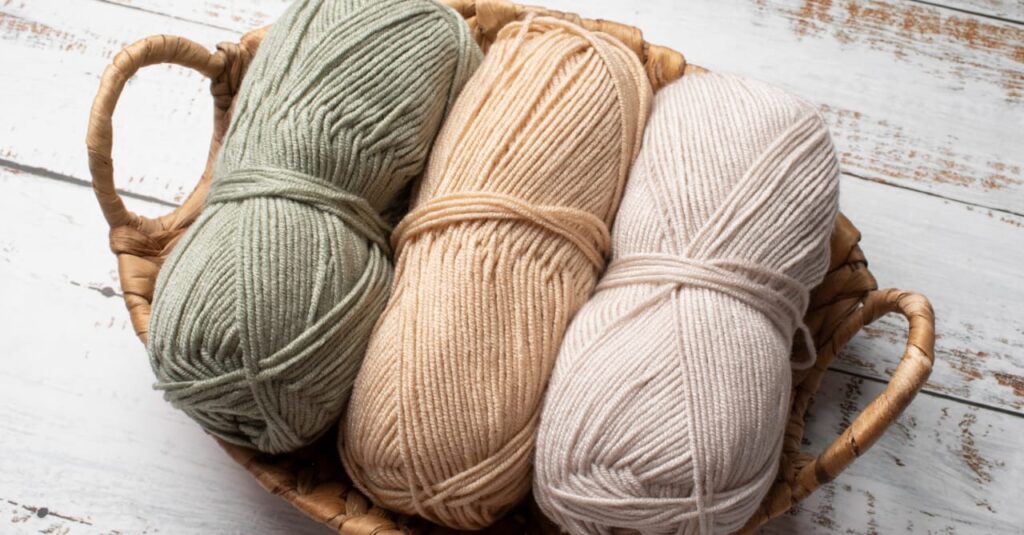
One of the reasons Woolrec has gained traction is its adaptability. In the fashion industry, recycled wool fibers are used to create garments that offer warmth and durability while reducing environmental impact. Designers increasingly value such materials as consumers seek transparency and responsibility in what they wear.
Beyond clothing, Woolrec plays a role in home décor and interior design. Recovered wool is used in blankets, rugs, upholstery, and insulation materials, offering both aesthetic appeal and functional benefits. Wool’s natural ability to regulate temperature and absorb sound makes it especially useful in these environments.
Industrial sectors have also recognized the value of recycled wool fibers. Automotive interiors, acoustic panels, and construction materials benefit from wool’s resilience and insulating properties. These applications show that Woolrec is not limited to consumer goods but extends into technical and structural uses as well.
Environmental and Economic Impact of Woolrec
From an environmental perspective, Woolrec helps reduce textile waste and lowers the demand for raw wool production. By reusing existing materials, industries can decrease water consumption, land use, and energy expenditure associated with new fiber creation. This contributes to a smaller environmental footprint without eliminating the use of natural fibers.
Economically, the process creates value from materials that would otherwise be discarded. Manufacturers benefit from cost-effective raw materials, while recycling initiatives generate employment opportunities in sorting, processing, and innovation. This balance between sustainability and profitability makes the approach attractive to businesses.
Consumers also play a role in this impact. As awareness grows, demand for responsibly sourced products increases. Woolrec aligns with this shift by offering materials that meet ethical expectations while remaining functional and durable, reinforcing trust between brands and buyers.
Challenges and Future Potential of Woolrec
Despite its advantages, Woolrec faces challenges related to scalability and material consistency. Sorting wool waste can be complex, especially when garments are blended with synthetic fibers. Overcoming these issues requires continued investment in technology and collaboration across the textile supply chain.
Innovation remains key to expanding the potential of this approach. Advances in fiber separation, processing efficiency, and quality control can further improve outcomes. As research progresses, recycled wool fibers may match or even surpass the performance of some newly produced materials.
Looking ahead, Woolrec has the potential to become a standard rather than an alternative. As sustainability expectations evolve, industries that adopt such practices early may set benchmarks for responsible production. The concept represents not just a method, but a direction for the future of textiles.
Conclusion
Woolrec represents a meaningful step toward a more sustainable textile industry by redefining how wool waste is perceived and used. By combining traditional material knowledge with modern recycling practices, it offers a solution that respects both environmental and economic needs. Its growing adoption across fashion, interiors, and industrial sectors highlights its versatility and relevance.
As awareness and innovation continue to expand, Woolrec may play a crucial role in shaping responsible production models. It demonstrates that sustainability does not require abandoning natural materials, but rather learning how to use them wisely. In doing so, it supports a future where quality, creativity, and responsibility coexist.
FAQs
What is Woolrec in simple terms?
It refers to the recycling and recovery of wool fibers from discarded or unused products so they can be reused in new applications.
Is recycled wool as durable as new wool?
When processed correctly, recovered wool retains many of its original qualities, including warmth and resilience.
Which industries use Woolrec materials?
It is commonly used in fashion, home décor, automotive interiors, and construction-related applications.
Does this process help the environment?
Yes, it reduces textile waste and lowers the need for new resource-intensive wool production.
Is Woolrec a brand or a concept?
It is mainly a concept and process, though some companies may use the term as part of their branding.