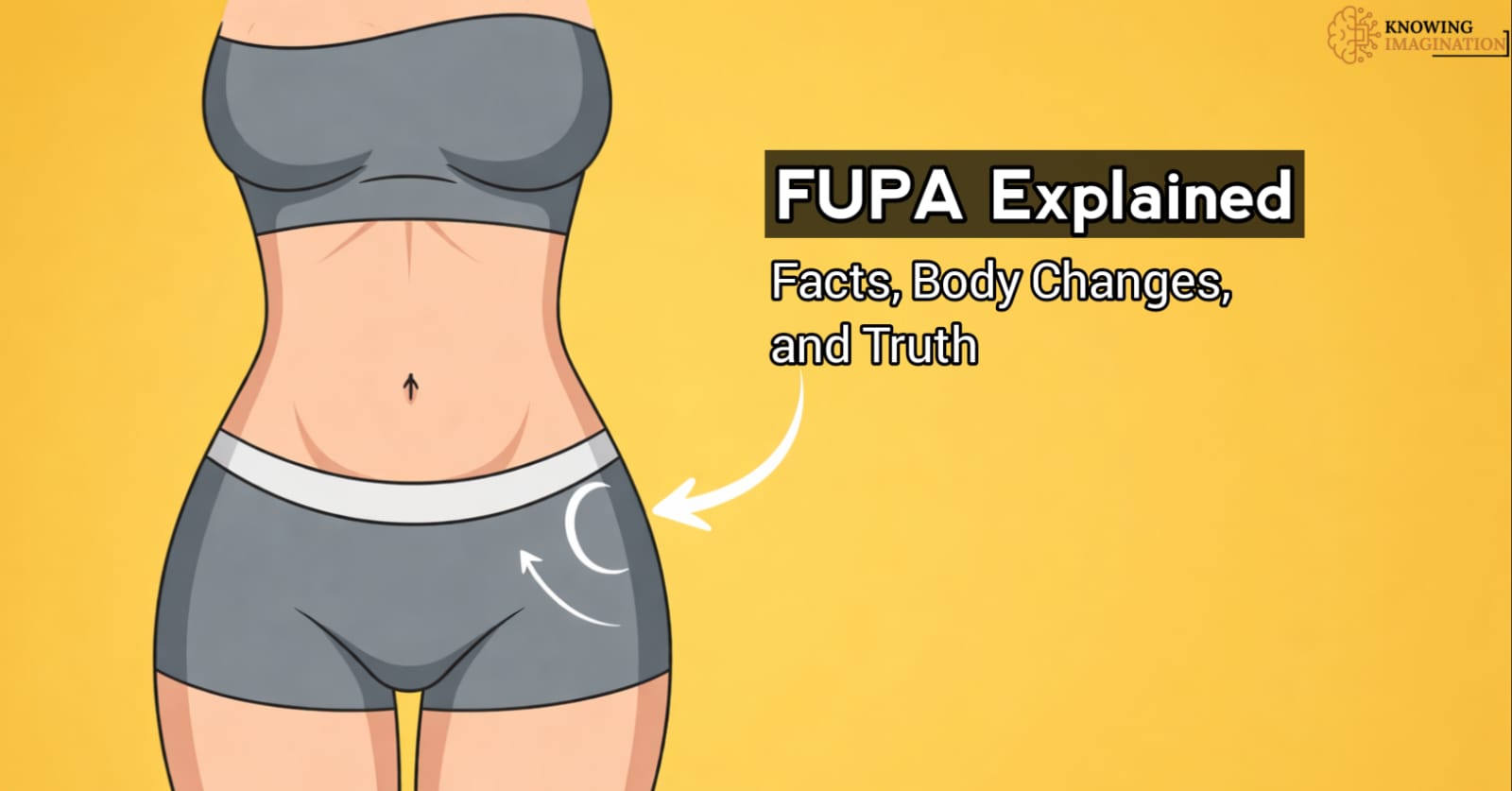
FUPA Explained: Facts, Body Changes, and Truth
FUPA is a commonly used slang term that refers to the natural area of soft tissue located in the lower abdomen, just above the pubic bone. Although the word itself is informal, the body area it describes is a normal part of human anatomy. People of all body types, weights, and ages have this area, and its appearance can change over time due to growth, hormones, and lifestyle factors. Understanding this helps separate facts from myths and reduces unnecessary worry.
The lower abdominal region serves practical biological purposes. It protects internal structures and responds to hormonal signals, especially during puberty and other stages of physical development. Because hormones influence where the body stores fat, this area can become more noticeable during adolescence or early adulthood. This process is natural and does not automatically relate to health problems.
The meaning of FUPA has expanded online beyond anatomy and into body image discussions. While some conversations are neutral or educational, others may carry judgment. Learning what the term actually represents allows people to approach it with clarity rather than embarrassment. Knowledge replaces confusion, and awareness encourages healthier conversations about the body.
Biological and Developmental Factors Behind FUPA
Human bodies are shaped by genetics, and fat distribution patterns often run in families. If close relatives tend to carry weight in the lower abdomen, it is likely that future generations will show similar traits. This genetic influence exists regardless of overall body size and explains why some people notice this area even when they are otherwise slim.
Hormonal changes also play a major role, particularly during the teenage years. Hormones such as estrogen and cortisol influence where fat is stored and how the body adapts to growth. During puberty, the body prioritizes protection and energy storage, which can lead to visible changes in the lower belly. These changes often stabilize over time as the body matures.
Posture and core strength can subtly affect how this area appears. A relaxed posture or weak core muscles may cause the lower abdomen to protrude slightly, while improved alignment can change appearance without altering body fat. These physical dynamics highlight that appearance is influenced by more than weight alone, making simple explanations inaccurate.
FUPA and Body Image in Modern Culture
Modern culture places strong emphasis on appearance, especially through edited images and narrow beauty standards. In this environment, terms like FUPA can become loaded with negativity even though the body feature itself is normal. When people compare themselves to unrealistic images, FUPA can distort self-perception and confidence.
Language matters when discussing bodies, particularly for younger individuals who are still developing emotionally. Using slang terms without understanding their impact can unintentionally reinforce shame. Reframing the conversation toward respect and neutrality helps create a healthier mindset and encourages acceptance of natural variation.
Positive body image does not require loving every aspect of appearance all the time. FUPA means recognizing that bodies change and that no single feature defines worth or health. Viewing FUPA as a neutral descriptor rather than a flaw allows individuals to focus on well-being instead of unnecessary comparison.
Health Perspective Versus Appearance Concerns
From a health standpoint, the presence of fat in the lower abdomen is not automatically a concern. Health professionals look at overall indicators such as strength, energy levels, and daily habits rather than isolated body areas. A visible lower belly does not diagnose illness or predict future health outcomes on its own.
FUPA is also important to distinguish between health-focused conversations and appearance-driven ones. While maintaining movement, balanced nutrition, and good sleep supports overall wellness, these habits are about how the body functions rather than how it looks. Confusing the two can lead to unhealthy thought patterns.
A balanced perspective recognizes that bodies store fat differently and that this variation is expected. Focusing only on appearance can distract from meaningful health goals like endurance, flexibility, and mental well-being. Understanding this difference helps reduce anxiety related to physical features that are, in reality, harmless.
Lifestyle Influences and Everyday Realities
Daily routines influence how the body feels and functions, including the lower abdominal area. Stress, sleep patterns, and activity levels can affect posture and muscle engagement, which in turn may influence appearance. These influences are gradual and often subtle, reflecting the body’s response to daily life rather than sudden change.
Nutrition also plays a role, not in targeting specific body parts, but in supporting overall balance. The body does not lose or gain fat in isolated zones on command. Instead, it responds as a whole system, adjusting based on long-term habits rather than short-term actions.
Below is a simple table that helps separate common myths from realistic facts about the lower abdominal area:
| Common Belief | Reality |
|---|---|
| Only overweight people have it | People of all sizes have this area |
| It means something is wrong | It is a normal body feature |
| It can be removed from one exercise | The body changes as a whole |
| It defines health level | Health is measured by many factors |
Understanding these realities helps ground expectations in facts rather than assumptions.
Emotional Well-Being and Self-Acceptance
Emotional health is closely tied to how individuals view their bodies. When a single feature becomes a source of constant worry, FUPA can affect confidence and daily comfort. Recognizing that physical traits are only one small part of identity helps restore balance.
Self-acceptance does not mean ignoring personal goals or preferences. It means approaching them without harsh judgment or pressure. When goals are rooted in feeling better rather than looking a certain way, they become more sustainable and emotionally supportive.
Developing a respectful relationship with one’s body takes time, especially during periods of growth. Patience, accurate information, and positive self-talk can reduce unnecessary stress. Over time, this mindset encourages resilience and a healthier connection with physical appearance.
Conclusion
Understanding FUPA begins with recognizing FUPA as a normal and common body feature rather than a problem to be fixed. Biology, genetics, and development all contribute to how the lower abdomen looks, and none of these factors reflect personal failure or poor health. Knowledge replaces myths and allows for more realistic expectations.
Modern culture often amplifies appearance concerns, but stepping back to view the body through a functional and compassionate lens can make a meaningful difference. Health is multifaceted, and no single physical trait determines overall well-being. Shifting focus from appearance to how the body supports daily life encourages confidence.
Ultimately, a healthy approach blends information, self-respect, and emotional balance. When people understand their bodies and treat themselves with patience, they create space for growth and comfort. Acceptance, supported by facts, is a powerful step toward long-term well-being.
FAQs
What does FUPA stand for?
It is an informal term that refers to the natural area of soft tissue in the lower abdomen above the pubic bone.
Is having a FUPA unhealthy?
No, it is not a medical condition and does not automatically indicate any health issue.
Can teenagers develop this area during puberty?
Yes, hormonal changes during puberty commonly affect fat distribution, including the lower abdomen.
Does posture affect how it looks?
Posture and core strength can influence appearance, as alignment affects how the abdomen rests.
Should people worry about this body feature?
In most cases, there is no reason for concern, as it is a normal variation in human bodies.