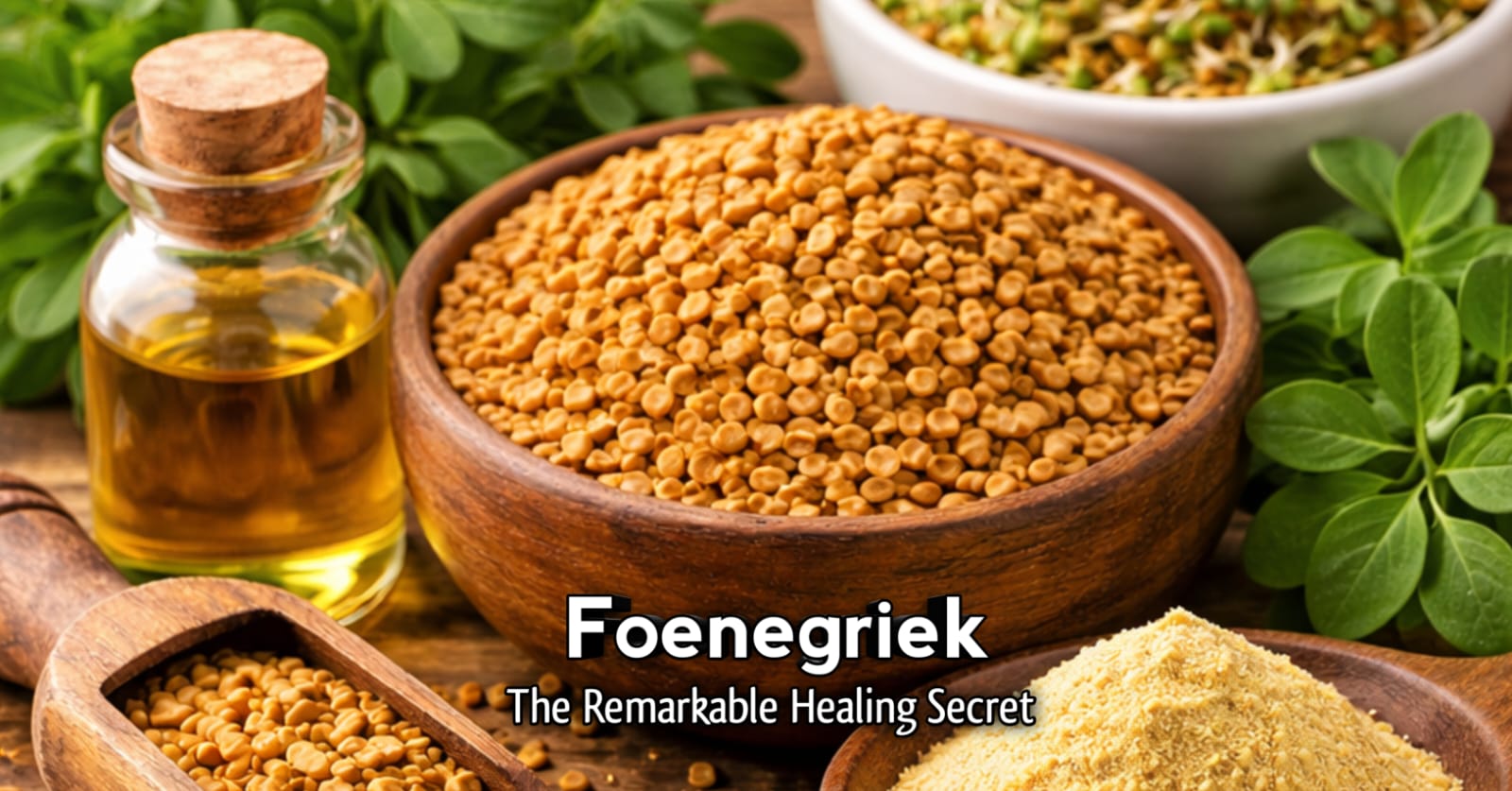
Foenegriek: The Remarkable Healing Secret
Foenegriek is a well-known herb that has been valued for centuries in different cultures around the world. Known in English as fenugreek, this plant has a rich history of culinary and medicinal use. It belongs to the legume family and is recognized for its small golden-brown seeds and aromatic leaves. Many households across Asia, the Middle East, and parts of Europe have used it both as a spice and a natural remedy.
The plant itself is modest in appearance, yet its impact is impressive. The seeds carry a slightly bitter flavor with a sweet, maple-like aroma, while the leaves provide a mild herbal taste. Because of this combination, it has found its place in traditional dishes as well as in herbal preparations. Over time, it has moved beyond traditional kitchens and into modern wellness products.
Today, interest in natural remedies and plant-based health solutions has brought renewed attention to this ancient herb. People are exploring its nutritional value, potential health benefits, and versatile uses. Understanding its background helps us appreciate why it remains relevant even in contemporary lifestyles.
Historical Background and Cultural Importance
The history of foenegriek dates back thousands of years. Ancient Egyptians used it in cooking and even in embalming practices. Historical records show that it was valued not only for its flavor but also for its medicinal qualities. It was considered a useful plant for promoting general wellness and vitality.
In traditional Indian and Middle Eastern medicine, the herb has played an important role for centuries. Ayurvedic and Unani practices often included it in remedies designed to support digestion and balance the body. It was commonly prepared as a tea, paste, or powder, depending on the intended use.
European countries also adopted the plant over time. In the Netherlands, the term foenegriek became widely recognized, especially among communities familiar with herbal products and international cuisine. Its long-standing presence across cultures highlights its adaptability and lasting importance.
Nutritional Composition of Foenegriek
One of the main reasons this herb is appreciated today is its nutritional richness. The seeds contain fiber, protein, iron, magnesium, and several important vitamins. These nutrients contribute to its reputation as a supportive addition to a balanced diet.
The high fiber content is particularly noteworthy. Fiber plays a significant role in digestion and can help maintain healthy gut function. In addition, the presence of plant compounds such as saponins and flavonoids gives the seeds unique properties that researchers continue to study.
Below is a simple overview of its key nutritional components per 100 grams of seeds:
| Nutrient | Approximate Amount |
|---|---|
| Calories | 323 kcal |
| Protein | 23 g |
| Fiber | 25 g |
| Iron | 33 mg |
| Magnesium | 191 mg |
| Vitamin B6 | 0.6 mg |
These values show why it is often described as nutrient-dense. Even small amounts added to meals can contribute beneficial nutrients.
Health Benefits and Wellness Support
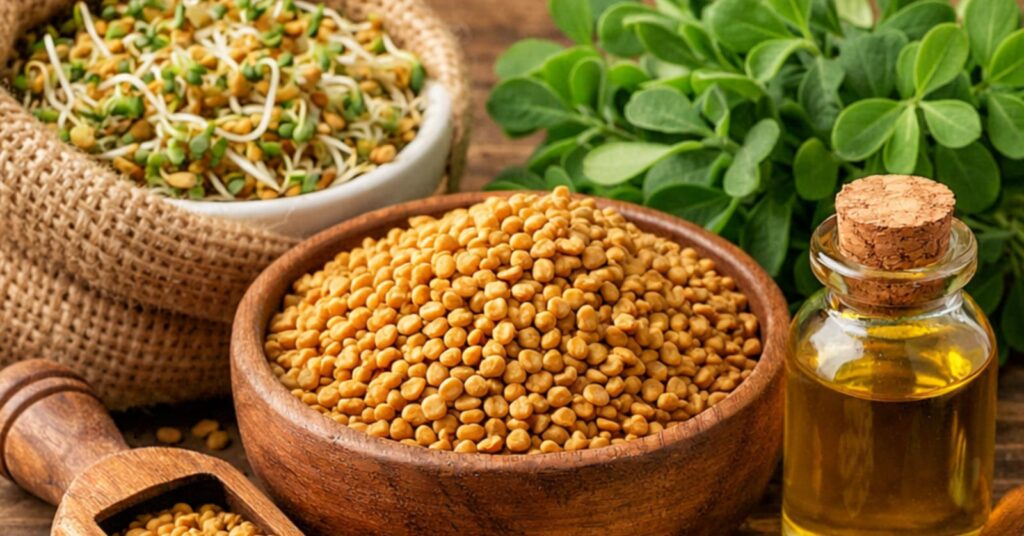
Many people turn to foenegriek for its potential health benefits. Traditionally, it has been used to support digestion and ease occasional discomfort. The fiber and natural compounds found in the seeds may help maintain healthy digestive processes when consumed as part of a balanced diet.
Another area of interest is blood sugar support. Some studies suggest that the fiber and specific plant compounds in fenugreek seeds may help maintain normal blood sugar levels already within a healthy range. Because of this, it is sometimes included in dietary plans focused on metabolic wellness.
The herb is also commonly associated with supporting lactation in breastfeeding mothers. In various cultures, it has been used in teas and supplements for this purpose. While experiences can vary, many individuals appreciate its traditional reputation as a supportive natural option.
Culinary Uses Around the World
In the kitchen, foenegriek is highly versatile. The seeds are often toasted to reduce bitterness and enhance their nutty aroma. They are a common ingredient in spice blends such as curry powder and other regional seasonings. When ground, they blend well with other spices to create rich, layered flavors.
The leaves, either fresh or dried, are also widely used. Dried fenugreek leaves are known as “kasuri methi” in South Asian cuisine and are added to curries, breads, and vegetable dishes. They provide a subtle bitterness that balances creamy or savory foods beautifully.
In European cooking, especially in certain traditional breads and cheeses, the seeds add a distinctive flavor. The maple-like scent becomes more noticeable when heated, making it a unique addition to both savory and occasionally sweet recipes.
Forms and Modern Availability
Today, foenegriek is available in many forms. Whole seeds, ground powder, capsules, extracts, and herbal teas can be found in health stores and supermarkets. This variety makes it easy for individuals to choose the format that best suits their needs.
Capsules and supplements are often preferred by those who want convenience and consistent dosage. On the other hand, culinary enthusiasts may prefer whole seeds or dried leaves to incorporate into meals. Herbal teas made from crushed seeds remain a traditional and popular preparation.
With the growing global interest in natural wellness, the herb has become more accessible than ever. However, as with any supplement or herbal product, moderation and informed use are important considerations.
Possible Side Effects and Considerations
Although foenegriek is generally considered safe when used in normal culinary amounts, some individuals may experience mild digestive discomfort. Because of its fiber content and strong compounds, starting with small quantities is often recommended.
People who are pregnant, taking medications, or managing specific health conditions should consult a healthcare professional before using concentrated supplements. While traditional use is widespread, individual responses can differ.
Allergic reactions are rare but possible, particularly for those sensitive to legumes. Paying attention to how the body responds is essential when introducing any new herbal product into the diet.
Conclusion
Foenegriek stands out as a remarkable herb with a long and respected history. From ancient civilizations to modern kitchens and wellness routines, it has maintained its relevance through versatility and nutritional richness. Its seeds and leaves offer both flavor and potential health support, making it a valuable addition to diverse lifestyles.
While traditional practices highlight many benefits, it is important to approach any herbal product with balance and awareness. Used thoughtfully, this plant can complement a healthy diet and provide a connection to centuries of culinary and medicinal tradition.
As interest in natural solutions continues to grow, this ancient herb remains a fascinating example of how traditional knowledge and modern understanding can work together harmoniously.
FAQs
1. What is foenegriek called in English?
It is called fenugreek in English, and its scientific name is Trigonella foenum-graecum.
2. Can foenegriek help with digestion?
Traditionally, it has been used to support digestion due to its high fiber content.
3. Is foenegriek safe to consume daily?
In normal food amounts, it is generally safe. Supplements should be used carefully and preferably under professional guidance.
4. How does foenegriek taste?
The seeds have a slightly bitter, nutty flavor with a mild maple-like aroma.
5. In which cuisines is foenegriek commonly used?
It is widely used in Indian, Middle Eastern, North African, and some European cuisines.