
The Amazing Truth About Cadibara’s Gentle Power
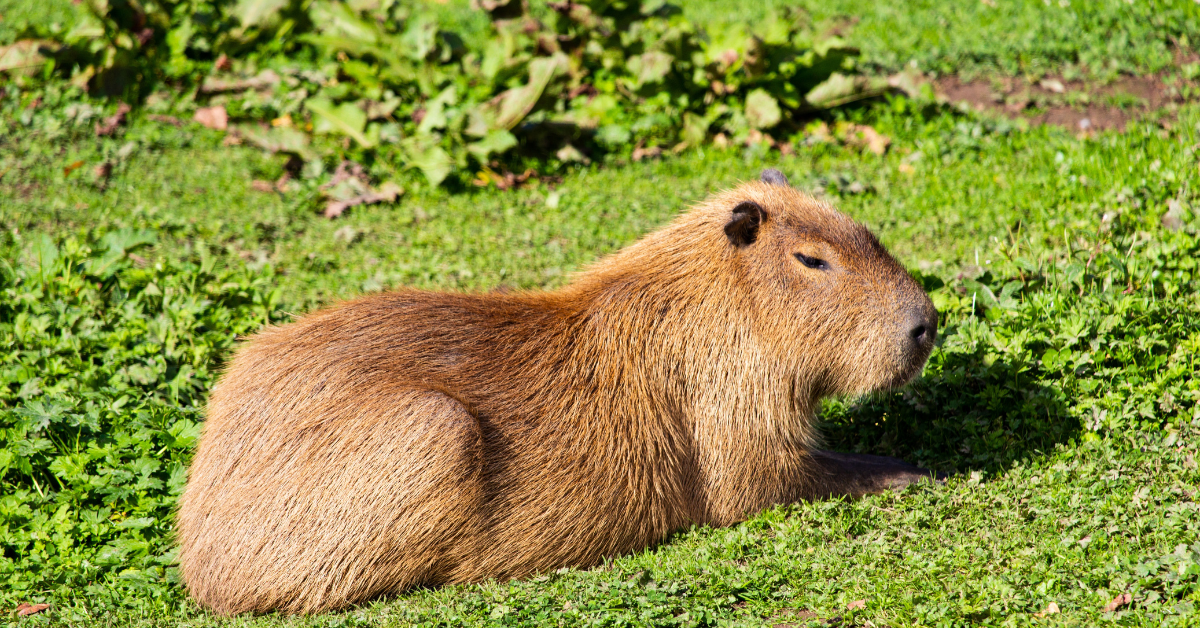
The Cadibara, more accurately known as the Capybara, is widely recognized as the largest rodent in the world. Native to South America, this remarkable animal has gained attention for its peaceful temperament and unique semi-aquatic lifestyle. Although the spelling “Cadibara” appears in some searches and informal discussions, it refers to the same fascinating creature admired for its gentle presence and social nature.
Living near rivers, lakes, marshes, and tropical grasslands, this large rodent has perfectly adapted to environments where water and land meet. Its natural habitat spans countries such as Brazil, Venezuela, Colombia, Argentina, and Peru. In these regions, it plays a vital ecological role while quietly coexisting with a wide range of other wildlife species.
What makes this animal especially intriguing is the contrast between its size and its personality. Despite being powerful and sturdy, it is known for its calm and friendly demeanor. Observers often describe it as relaxed and tolerant, which has contributed to its growing popularity among wildlife enthusiasts around the world.
Physical Characteristics and Unique Adaptations
The Cadibara’s body is a fine example of evolutionary design. With a barrel-shaped torso, short but strong legs, and coarse brownish fur, it is built for both endurance and flexibility. Adult individuals can weigh over 100 pounds, yet they move with surprising ease across grassy plains and muddy riverbanks.
One of its most impressive features is its adaptation to aquatic life. The partially webbed toes allow it to swim efficiently, while its eyes, ears, and nostrils are positioned high on its head. This clever arrangement enables it to remain mostly submerged in water while still observing its surroundings. Such a design helps it stay alert to potential threats without drawing attention.
Its teeth, like those of other rodents, grow continuously throughout life. Constant grazing keeps them at a manageable length. This feeding habit not only sustains the animal but also contributes to maintaining healthy vegetation in its habitat, preventing overgrowth and supporting ecological balance.
Habitat and Daily Life
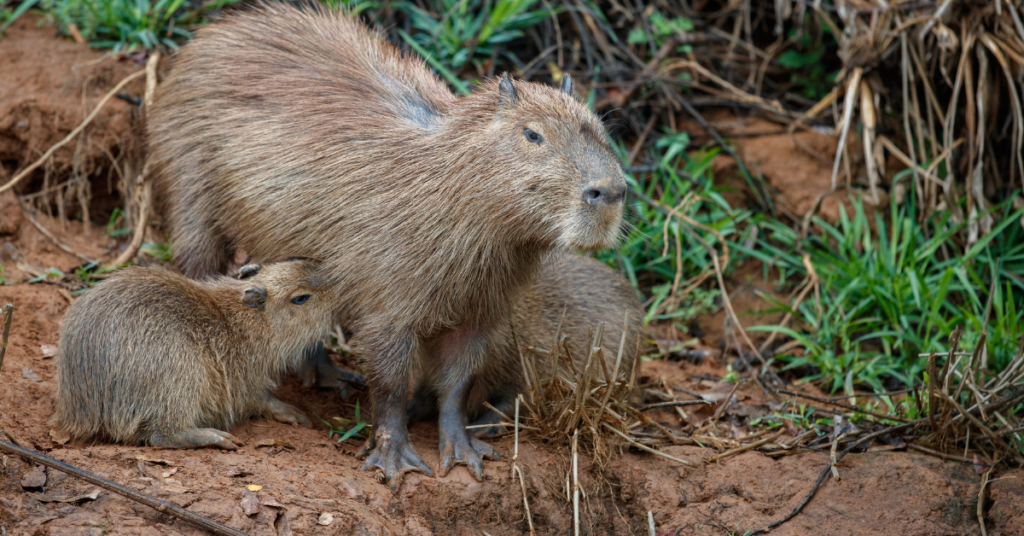
In the wild, the Cadibara thrives in regions rich in water sources. Wetlands, riverbanks, and flooded savannas provide both nourishment and protection. Water is not merely a convenience but a necessity, offering a safe refuge from predators and relief from heat in tropical climates.
Daily life follows a steady rhythm shaped by environmental conditions. During the cooler parts of the day, groups graze on grasses and aquatic plants. When temperatures rise, they retreat to the water to cool off. This balanced routine reflects their ability to adapt to changing surroundings while conserving energy.
Social interaction plays a central role in their lives. These animals rarely live alone and instead form stable groups. Cooperation within these groups enhances safety, as more eyes and ears increase the chances of detecting predators early. Communication occurs through various sounds and subtle body movements that strengthen bonds within the community.
Behavior and Social Structure
The gentle reputation of the Cadibara is well deserved. Unlike many large mammals that display aggressive territorial behavior, this rodent tends to resolve conflicts peacefully. Dominance hierarchies do exist within groups, but they are generally maintained with minimal confrontation.
Group sizes vary depending on the season and availability of resources. In the rainy season, smaller groups may spread out across abundant land. During dry periods, larger gatherings form near shrinking water sources. This flexible social structure allows them to respond effectively to environmental pressures.
Interestingly, their calm temperament extends beyond interactions within their own species. In their natural habitat, they are often seen resting near birds and other animals. This tolerance reflects a stable and confident nature shaped by millions of years of evolution.
Diet and Ecological Importance
Grazing defines much of the Cadibara’s daily activity. Grasses form the core of its diet, supplemented by aquatic plants and occasionally fruit. By feeding consistently on available vegetation, it helps regulate plant growth and contributes to the health of grassland ecosystems.
The digestive system of this large rodent is specially adapted for processing fibrous plant material. It relies on microbial fermentation to extract nutrients efficiently. This process allows it to thrive in environments where food may seem limited in nutritional value.
Beyond its personal survival, the animal plays a broader ecological role. As prey for predators such as jaguars, caimans, and anacondas, it occupies an important position in the food chain. Its presence supports biodiversity and maintains balance within its ecosystem.
Relationship With Humans and Conservation
Over time, the Cadibara has developed a unique relationship with human communities in South America. In some regions, it is valued for its meat and hide, while in others it is admired as a symbol of calm coexistence with nature. Increasingly, wildlife tourism has highlighted its gentle personality and fascinating habits.
Despite its adaptability, habitat loss remains a concern. Expanding agriculture and urban development can reduce wetland areas essential to its survival. Conservation efforts focus on protecting these habitats and ensuring that natural ecosystems remain intact.
Fortunately, this species is currently not considered endangered. Its broad geographic range and flexible behavior have helped it maintain stable populations. Continued awareness and responsible environmental management will be key to preserving its future.
Conclusion
The Cadibara stands as a powerful reminder that strength and gentleness can exist together in harmony. As the largest rodent on Earth, it commands attention through size alone, yet it captivates hearts through its calm and sociable nature. Its semi-aquatic adaptations demonstrate the remarkable ways in which animals evolve to fit their environments.
From wetlands to tropical grasslands, this unique creature contributes significantly to ecological balance. Its daily routines of grazing, swimming, and social bonding reflect a life shaped by cooperation and resilience. Understanding its behavior allows us to appreciate the delicate systems that sustain wildlife.
By protecting natural habitats and respecting biodiversity, humans can ensure that future generations continue to witness this extraordinary animal in the wild. The story of the Cadibara is not just about size, but about adaptability, intelligence, and peaceful coexistence.
FAQs
1. Is the Cadibara the same as the capybara?
Yes, the term Cadibara is often a spelling variation of the capybara, which is the largest rodent in the world.
2. Where does the Cadibara live?
It lives in South America, mainly near rivers, lakes, wetlands, and tropical grasslands.
3. What does the Cadibara eat?
Its diet mainly consists of grasses and aquatic plants, which help maintain ecosystem balance.
4. Is the Cadibara dangerous to humans?
Generally, it is calm and non-aggressive. It avoids conflict and poses little threat when left undisturbed.
5. How does the Cadibara escape predators?
It uses its strong swimming ability and partially webbed feet to quickly move into water and hide when threatened.