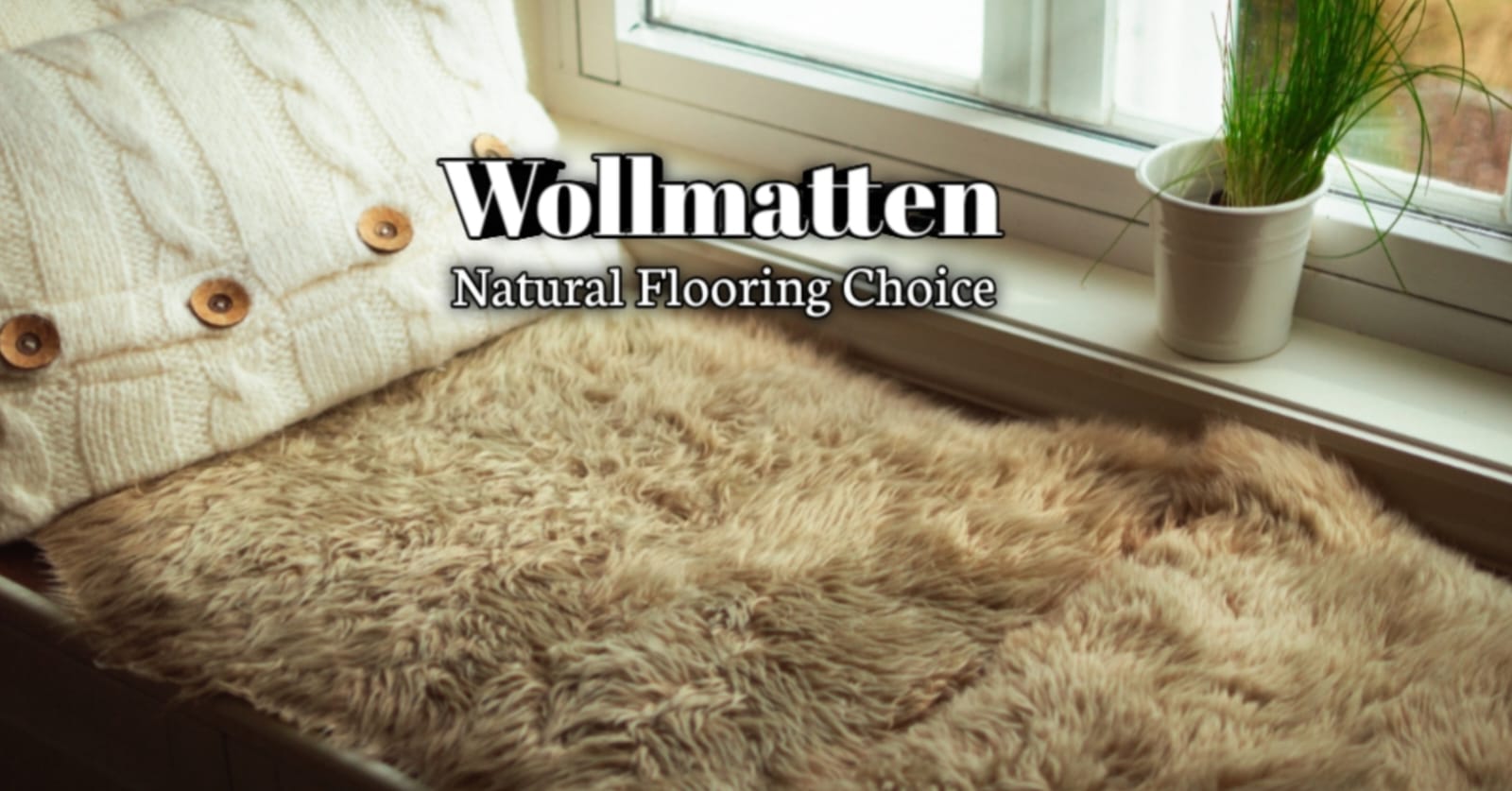
Wollmatten: A Remarkable Natural Flooring Choice
Wollmatten are floor and surface coverings made primarily from sheep’s wool that has been processed into dense, durable layers through traditional textile methods. The word itself comes from German, meaning “wool mats,” and it reflects both the material and the function of the product. Unlike synthetic alternatives made from petroleum-based materials, these mats are derived from a renewable resource that has been used in textile production for centuries. Wool’s natural resilience and insulating qualities make it especially suitable for everyday use in homes and professional environments.
The journey from raw fleece to finished mat begins with shearing sheep, a routine process that does not harm the animal and allows wool to regrow each year. After shearing, the wool is cleaned thoroughly to remove natural oils and impurities. It is then carded, a process that aligns the fibers and prepares them for shaping. Depending on the intended texture and use, the fibers may be felted through moisture and pressure or woven into structured forms that increase durability and visual appeal.
The result is a dense yet flexible mat that combines softness with structural strength. This balance makes Wollmatten both comfortable underfoot and capable of withstanding regular wear. Their natural origins also contribute to their environmental advantages, setting them apart from mass-produced plastic-based floor coverings that rely on non-renewable resources.
How Wollmatten Are Made Through Traditional Craft
The production of Wollmatten often relies on techniques that have been refined over generations. Felting is one of the oldest textile methods, involving the application of heat, moisture, and pressure to bind wool fibers together without weaving. This method creates a compact and sturdy surface that resists fraying and maintains its shape over time. Felted mats are known for their smooth texture and uniform appearance.
Weaving is another common approach, especially when a more decorative or patterned design is desired. In this process, wool threads are interlaced on a loom to form structured layers. Woven mats tend to offer greater flexibility in style while maintaining the natural benefits of wool. Some manufacturers also combine felting and weaving techniques to enhance durability and create unique textures.
Modern production may integrate machinery to improve efficiency, yet the essential characteristics of the material remain unchanged. The fibers retain their breathability and insulation properties, ensuring that the final product delivers both comfort and functionality. Despite technological advancements, the craftsmanship behind Wollmatten continues to reflect a respect for traditional textile artistry.
Environmental Benefits of Wollmatten
One of the most compelling reasons people choose Wollmatten is their environmental profile. Wool is a renewable fiber that grows back annually, making it a sustainable raw material. Unlike synthetic mats, which are derived from fossil fuels, wool-based mats rely on a resource that replenishes naturally. This significantly reduces the long-term ecological footprint associated with their production.
Wool is also biodegradable, meaning that once a mat reaches the end of its life cycle, it can decompose without releasing harmful substances into the environment. Synthetic materials such as PVC and polyester can persist for decades in landfills, contributing to pollution and waste accumulation. In contrast, wool returns to the earth in a more natural way, aligning with environmentally conscious living.
Additionally, wool has natural temperature-regulating properties that can support energy efficiency indoors. By helping to maintain warmth during colder months and providing breathability in warmer conditions, these mats can contribute indirectly to reduced energy consumption. This blend of renewability, biodegradability, and functional performance highlights why many consider them a responsible flooring choice.
Practical Uses in Homes and Workspaces
Wollmatten are versatile enough to suit a wide range of settings. In residential spaces, they can serve as entryway mats, hallway runners, or comfortable additions to living rooms and bedrooms. Their natural fibers create a warm and inviting atmosphere, enhancing both visual appeal and tactile comfort. Because wool resists dirt and moisture to a certain extent, these mats are practical as well as decorative.
In workspaces, they can provide insulation and sound absorption, helping to create quieter and more comfortable environments. Offices and studios often benefit from the way wool dampens noise, reducing echoes and improving overall acoustics. The durability of well-crafted mats ensures they remain reliable even in areas with moderate foot traffic.
Beyond flooring, some variations are used in yoga practice, gardening setups, and industrial applications where cushioning and insulation are needed. The adaptability of Wollmatten demonstrates that they are more than decorative items; they are functional tools that serve diverse needs across different environments.
Comparing Wollmatten with Synthetic Alternatives
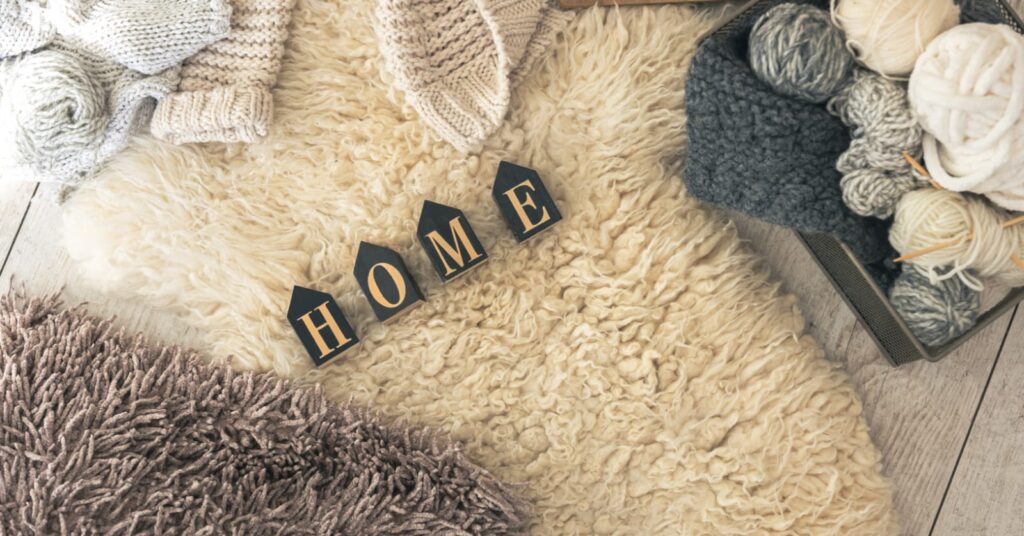
When comparing natural wool mats to synthetic versions, several distinctions become clear. Synthetic mats are often less expensive initially and can mimic the appearance of natural fibers. However, they frequently lack the breathability and moisture-regulating capabilities inherent in wool. This difference can affect comfort, especially in enclosed spaces where air circulation matters.
Durability is another important factor. While certain synthetic materials are engineered for strength, they may degrade over time due to heat exposure or friction. Wool fibers, on the other hand, have a natural crimp that allows them to spring back into shape. This elasticity contributes to long-term resilience, particularly in environments where mats experience repeated pressure.
Environmental impact further differentiates the two options. Synthetic mats rely on plastic-based materials that are not biodegradable, while wool-based mats return to the natural cycle at the end of their use. The table below highlights key differences to provide a clearer comparison.
| Feature | Wollmatten (Wool-Based) | Synthetic Mats (PVC/Polyester) |
|---|---|---|
| Primary Material | Natural sheep’s wool | Plastic-based fibers |
| Renewability | Renewable annually | Non-renewable fossil fuels |
| Biodegradability | Fully biodegradable | Often non-biodegradable |
| Breathability | High | Limited |
| Insulation Properties | Excellent thermal control | Moderate to low |
| Long-Term Comfort | Soft and resilient | May flatten over time |
Maintenance and Longevity of Wollmatten
Proper care can significantly extend the life of Wollmatten. Regular shaking or gentle vacuuming helps remove dust and debris before they settle deeply into the fibers. Wool’s natural resistance to dirt means that frequent deep cleaning is often unnecessary, which makes maintenance relatively simple compared to some synthetic alternatives.
For stains, prompt action is important. Blotting spills with a clean cloth rather than rubbing prevents fibers from becoming distorted. Mild, wool-safe cleaning solutions can be used if needed, but harsh chemicals should be avoided to preserve the natural integrity of the material. Allowing the mat to air dry thoroughly ensures that moisture does not become trapped within the fibers.
With appropriate care, these mats can remain functional and visually appealing for many years. Wool’s resilience allows it to withstand daily use while maintaining its structure. This longevity not only enhances value but also supports sustainable consumption by reducing the need for frequent replacement.
Aesthetic Appeal and Design Versatility
Wollmatten offer a timeless aesthetic that complements various interior styles. Their natural texture and subtle variations in tone create a sense of authenticity that synthetic materials often struggle to replicate. Whether placed in minimalist, rustic, or contemporary spaces, they blend seamlessly with diverse design themes.
Color options can range from natural wool shades to dyed variations that add character without compromising sustainability. Because wool absorbs dye effectively, manufacturers can achieve rich hues while retaining softness. Patterns created through weaving techniques further expand decorative possibilities, allowing homeowners to express personal style.
Beyond appearance, the tactile quality of wool contributes to the overall ambiance of a room. The softness underfoot creates a welcoming atmosphere, while the organic texture adds depth to interior spaces. This combination of visual and sensory appeal explains why many individuals appreciate these mats as both functional and decorative elements.
Conclusion: A Thoughtful Choice for Modern Living
Choosing flooring or surface coverings often involves balancing cost, comfort, and environmental responsibility. Wollmatten present a compelling option for those who value natural materials and long-term durability. Their renewable origins, biodegradable composition, and practical performance qualities distinguish them from many synthetic alternatives available today.
Beyond environmental considerations, these mats deliver everyday benefits that enhance comfort and usability. From insulation and breathability to resilience and aesthetic charm, they offer a comprehensive solution for a variety of spaces. Their versatility makes them suitable for homes, offices, and specialized applications alike.
In a world increasingly aware of sustainability and mindful consumption, investing in well-crafted wool mats reflects a thoughtful approach to living. They combine tradition with practicality, offering both beauty and purpose. By understanding their origins, production, and benefits, individuals can make informed decisions that align with both personal needs and broader environmental values.
Frequently Asked Questions (FAQs)
1. Are Wollmatten suitable for high-traffic areas?
They can perform well in moderate traffic areas due to wool’s natural resilience. For very high-traffic spaces, thicker or tightly woven versions are recommended.
2. Do they require special cleaning products?
It is best to use mild, wool-safe cleaners and avoid harsh chemicals. Regular vacuuming and prompt spot cleaning are usually sufficient.
3. Can Wollmatten help with insulation?
Yes, wool has natural insulating properties that help regulate indoor temperature and improve comfort.
4. Are they safe for people with allergies?
Wool can trap dust particles, which may reduce airborne allergens, but individuals with specific wool sensitivities should consult a professional before purchasing.
5. How long do Wollmatten typically last?
With proper care, they can last for many years due to the durability and elasticity of wool fibers.