Succulent Plants: Why These Hardy Beauties Are So Loved
Succulent plants are admired all over the world for their unique appearance and impressive ability to survive in harsh conditions. These plants have adapted to store water in their leaves, stems, or roots, which allows them to thrive in dry environments where many other plants cannot survive. Their thick, fleshy leaves often give them a sculptural and decorative look, making them popular choices for both indoor and outdoor gardening. Succulents come in a wide variety of shapes, colors, and sizes, which adds to their universal appeal.
What makes succulent plants especially attractive to people is their balance between beauty and resilience. They can grow in deserts, rocky landscapes, and even inside homes with minimal care. This natural toughness does not reduce their elegance. Instead, it enhances their charm, as each plant seems to tell a story of survival and adaptation. From small rosette-shaped plants to tall and branching varieties, succulents offer something for every plant lover.
Beyond decoration, succulent plants also have cultural and practical significance. Some species have been used for centuries in traditional medicine, skincare, and even food. Others symbolize endurance, calmness, and protection in different cultures. This combination of usefulness, symbolism, and visual appeal explains why succulents continue to grow in popularity across the world.
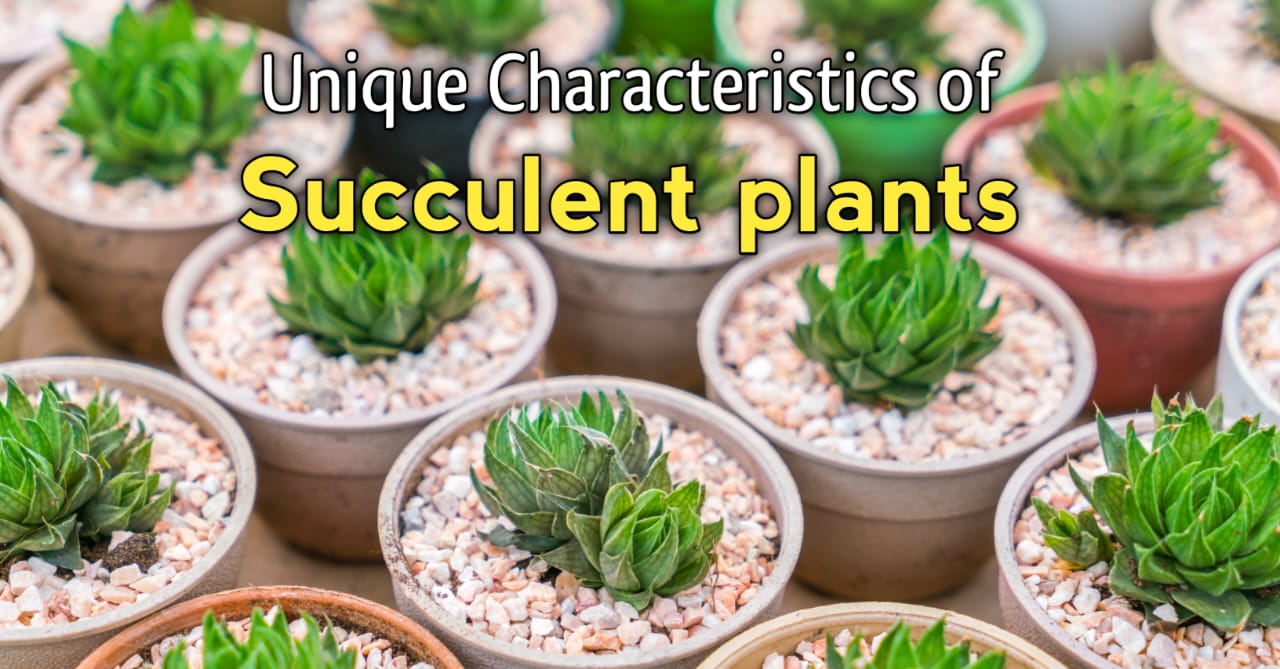
Unique Characteristics of Succulent Plants
One of the most defining characteristics of succulent plants is their ability to store water. Their leaves, stems, or roots act as natural reservoirs, allowing them to survive long periods without rainfall. This adaptation developed over time as succulents evolved in arid and semi-arid regions. The stored water helps them maintain their structure and health even during extreme heat or drought conditions.
Another important feature of succulent plants is their protective outer layer. Many succulents have a waxy coating on their leaves, which reduces water loss and protects them from intense sunlight. Some species also have fine hairs or spines that provide shade and reduce evaporation. These features work together to help the plant conserve moisture while continuing to grow in challenging environments.
Succulents also grow at a slower pace compared to many leafy plants. This slow growth helps them conserve energy and resources. While this means they take longer to reach maturity, it also makes them more stable and easier to manage. Their steady growth and strong structure contribute to their long lifespan, making them excellent plants for long-term care.
Natural Habitats and Growth Patterns
Succulent plants are found naturally in many parts of the world, especially in regions with limited rainfall. Deserts, rocky hillsides, and dry grasslands are common natural habitats for these plants. Africa, South America, and parts of Asia are home to some of the most diverse succulent species. These environments shaped their growth patterns and survival strategies over thousands of years.
In their natural habitats, succulents often grow in soil that drains water quickly. This prevents water from staying around the roots for too long, which could cause rot. Many succulents grow between rocks or in sandy soil, where excess water easily flows away. This natural drainage is one of the most important factors in their healthy development.
Succulents also tend to grow in clusters or small groups in the wild. This allows them to create a shared microclimate that helps reduce water loss and protect them from strong winds. Their growth patterns show how cooperation with the environment plays a role in their survival, making them a fascinating example of nature’s balance.
Caring for Succulent Plants
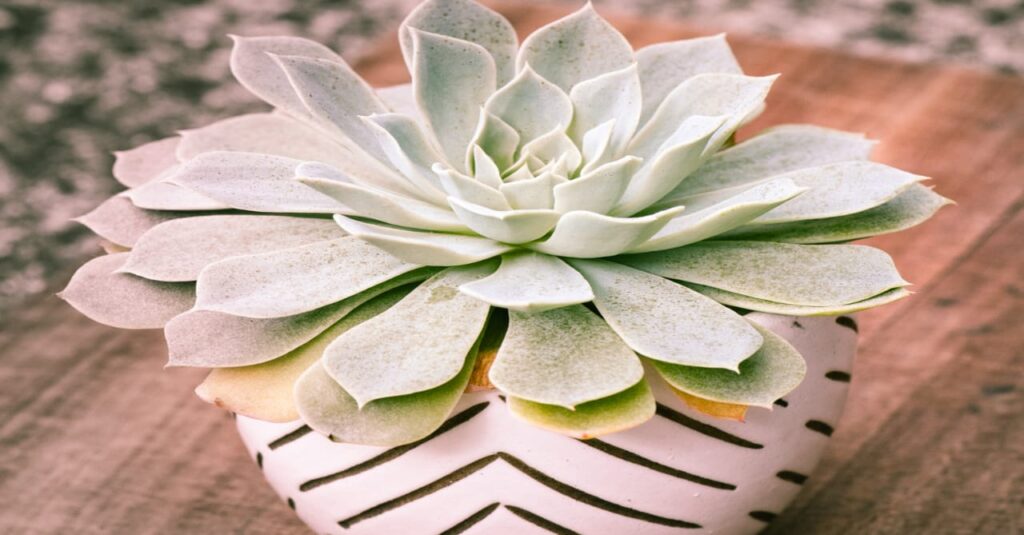
Caring for succulent plants is relatively simple, which makes them ideal for beginners. These plants prefer bright light, but not all succulents enjoy direct sunlight for long hours. Indoor succulents grow best near windows where they receive filtered sunlight. Outdoor succulents thrive in areas where they are protected from extreme heat during the hottest part of the day.
Watering is the most important aspect of succulent care, and it is where many people make mistakes. Succulents do not need frequent watering. In fact, overwatering is one of the most common reasons they fail to thrive. Allowing the soil to dry completely between watering sessions helps prevent root rot and keeps the plant healthy. During colder months, succulents need even less water.
Soil quality also plays a major role in succulent care. Well-draining soil allows excess water to escape quickly, protecting the roots. Containers with drainage holes are especially important for indoor succulents. When given the right balance of light, water, and soil, succulent plants can remain healthy and beautiful for many years.
Popular Uses of Succulent Plants
Succulent plants are widely used for decorative purposes because of their striking appearance. They are often placed in homes, offices, and public spaces to add a touch of nature. Their compact size makes them perfect for small areas such as desks, shelves, and windowsills. Succulent arrangements are also popular as centerpieces and gifts due to their long-lasting beauty.
In landscaping, succulents are used to create low-maintenance gardens. They are especially useful in dry regions where traditional lawns require too much water. Succulent gardens offer visual interest without demanding constant care. Their variety of colors and shapes allows designers to create unique patterns and textures in outdoor spaces.
Some succulent plants also have practical uses beyond decoration. Aloe vera, for example, is known for its soothing gel, which is commonly used for skin care. Other succulents have been used in traditional remedies or as natural air-purifying plants. These practical benefits add another layer of value to their presence in daily life.
Conclusion
Succulent plants are remarkable examples of nature’s creativity and resilience. Their ability to store water, survive harsh environments, and maintain their beauty with minimal care makes them truly special. They offer a perfect combination of strength and elegance, appealing to both experienced gardeners and beginners alike.
By understanding their natural characteristics and care needs, anyone can enjoy the benefits of succulent plants. Whether grown indoors or outdoors, these plants bring calmness, beauty, and a connection to nature. Their long lifespan and adaptability make them reliable companions in any setting.
Succulent plants remind us that growth does not always require abundance. Sometimes, strength comes from simplicity, patience, and adaptation. This lesson, reflected in their quiet beauty, is one of the many reasons they continue to be loved worldwide.
FAQs
What are succulent plants?
Succulent plants are plants that store water in their leaves, stems, or roots, allowing them to survive in dry environments.
Are succulent plants easy to care for?
Yes, they are generally easy to care for and require minimal watering, good light, and well-draining soil.
Can succulents grow indoors?
Yes, many succulents grow well indoors when placed near a bright window with indirect sunlight.
Why do succulent plants have thick leaves?
Their thick leaves store water, helping them survive during long periods without rain.
How long do succulent plants live?
With proper care, many succulents can live for several years and even decades.