
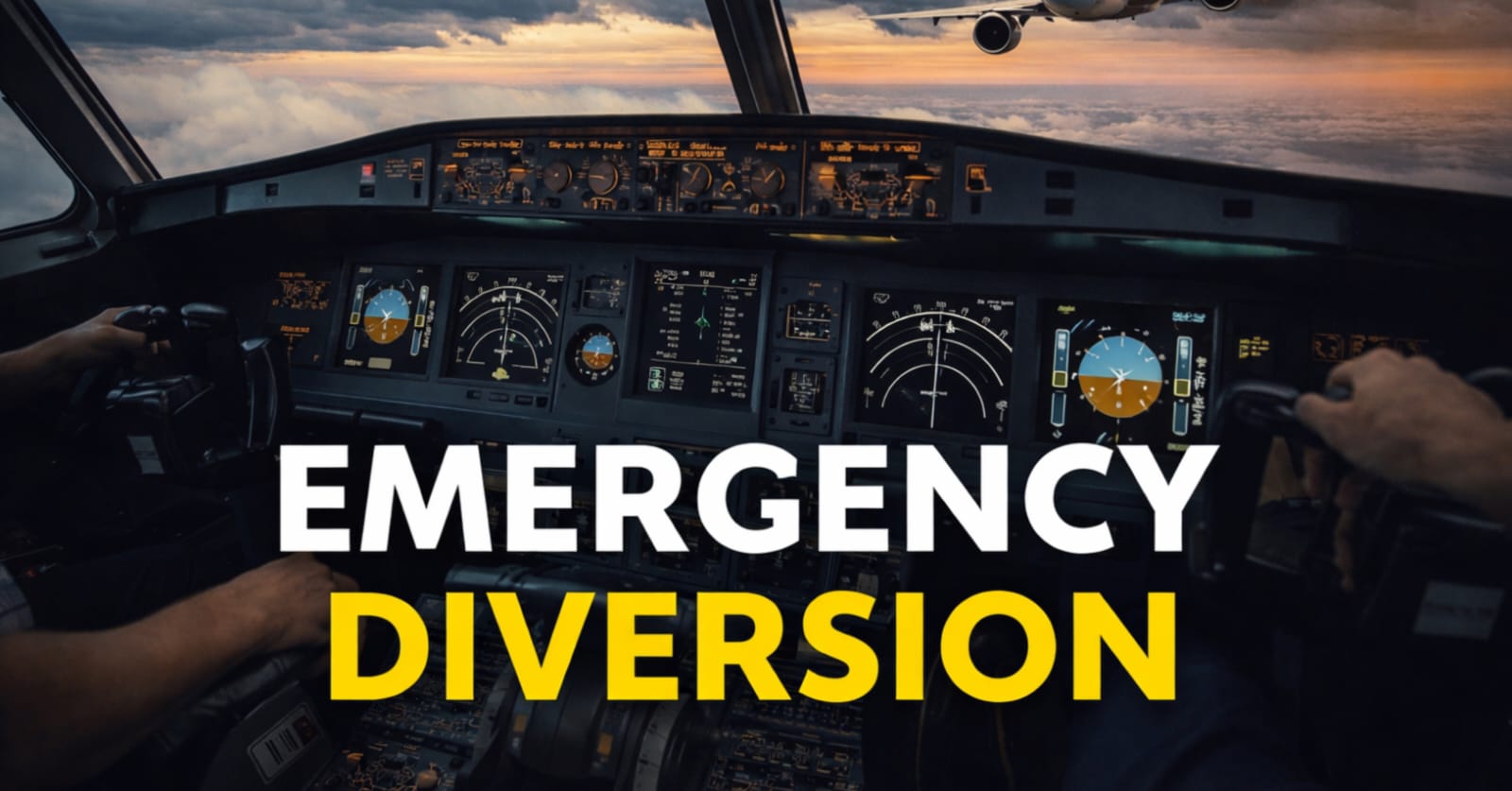
Smart Insights into Emergency Diversion Decisions
Emergency diversion refers to the urgent rerouting of a vehicle, most commonly an aircraft, from its original destination to an alternate location due to unforeseen circumstances. This concept plays a crucial role in ensuring safety when conditions suddenly change during travel. Whether it involves technical malfunctions, medical emergencies, or environmental hazards, the decision to divert is always made with the highest priority placed on human life.
In aviation, the term carries significant weight because it involves rapid decision-making under pressure. Pilots are trained extensively to evaluate risks, communicate with air traffic control, and select the most suitable alternate airport. The process is not random; it is guided by strict protocols and safety regulations that ensure every diversion is handled efficiently and responsibly.
Outside aviation, emergency diversion also applies to road transport, maritime travel, and emergency services. For example, a highway may redirect traffic due to an accident, or a ship may change course to avoid dangerous weather. In all cases, the principle remains the same: adapt quickly to unexpected risks to protect lives and minimize harm.
Common Causes Behind Emergency Diversion Situations
One of the most frequent reasons for emergency diversion is a medical emergency onboard. Passengers or crew members may experience sudden health issues that require immediate attention. In such cases, continuing to the original destination could put lives at risk, making diversion the safest option.
Mechanical or technical problems also play a major role. Aircraft systems are complex, and even minor malfunctions can escalate if not addressed promptly. Pilots are trained to identify warning signs early and take preventive action. Diverting to a nearby airport allows engineers to inspect and resolve the issue before it becomes critical.
Weather conditions are another major factor. Severe storms, turbulence, fog, or unexpected atmospheric changes can make it unsafe to proceed. Similarly, security concerns, such as suspicious activities or threats, may also lead to a change in route. Each situation is unique, but the goal remains consistent: maintain safety at all costs.
The Decision-Making Process During Emergency Diversion
The decision to initiate an emergency diversion is never taken lightly. Pilots rely on a combination of training, experience, and real-time data to assess the situation. They must quickly evaluate factors such as fuel levels, distance to alternate airports, weather conditions, and the nature of the emergency.
Communication is a critical part of this process. Pilots coordinate with air traffic control to inform them of the situation and request clearance for diversion. Air traffic controllers then assist by providing guidance, prioritizing the aircraft, and ensuring a safe landing path. This teamwork ensures that the diversion is executed smoothly.
Once a decision is made, the crew follows a structured procedure. Passengers are informed, preparations for landing are made, and emergency services may be alerted at the destination. Despite the urgency, everything is handled in an organized manner to reduce panic and maintain control.
Safety Measures and Protocols in Emergency Diversion
Safety is the foundation of every emergency diversion. Aviation authorities have established strict guidelines that pilots and crew must follow. These protocols are designed to handle a wide range of scenarios, ensuring that no matter what happens, there is a clear plan of action.
Aircraft are equipped with advanced systems that assist in monitoring performance and detecting issues. These technologies provide real-time data, allowing pilots to make informed decisions. Additionally, regular training ensures that crew members are prepared to handle emergencies effectively.
Emergency services at airports are also well-prepared. When a diversion is announced, ground teams are alerted to provide immediate assistance upon landing. This coordination between air and ground teams ensures that passengers receive timely help, whether the issue is medical, technical, or security-related.
Real-Life Scenarios of Emergency Diversion
Real-world examples highlight the importance of emergency diversion in saving lives. There have been numerous cases where flights were rerouted due to passengers experiencing heart attacks or other critical conditions. In such situations, quick action by the crew has made the difference between life and death.
Technical issues have also led to successful diversions. For instance, an aircraft detecting engine irregularities may choose to land at the nearest airport rather than risk continuing the journey. These decisions often prevent accidents and ensure passenger safety.
Weather-related diversions are equally common. Flights encountering severe turbulence or storms often change course to avoid danger. While passengers may experience delays, these diversions are essential for maintaining safety and preventing potential disasters.
Comparison of Emergency Diversion Across Transport Systems
Emergency diversion is not limited to aviation; it exists across multiple transport systems, each with its own approach and challenges. The table below highlights key differences and similarities:
| Transport Type | Common Causes | Decision Authority | Speed of Response | Safety Priority |
|---|---|---|---|---|
| Aviation | Medical, technical, weather | Pilot & ATC | Very fast | Extremely high |
| Road Transport | Accidents, congestion | Traffic authorities | Moderate | High |
| Maritime | Storms, mechanical issues | Ship captain | Slower | High |
| Emergency Services | Patient condition, urgency | Medical personnel | Immediate | Critical |
In aviation, decisions are highly structured and supported by technology. Road transport relies more on external conditions and traffic management systems. Maritime diversions often involve longer timeframes due to slower travel speeds, while emergency services prioritize immediate action based on patient needs.
Despite these differences, all systems share a common goal: protecting lives and minimizing risk. The effectiveness of emergency diversion depends on preparation, communication, and the ability to act quickly under pressure.
Step-by-Step Process of Handling Emergency Diversion
The process begins with identifying the problem. Pilots or operators detect an issue through instruments, communication, or direct observation. Once the situation is recognized, they assess its severity and determine whether diversion is necessary.
The next step involves selecting an alternate destination. This decision is based on several factors, including proximity, available facilities, and current conditions. Communication with relevant authorities ensures that the chosen location is prepared to handle the situation.
Finally, the diversion is executed. The vehicle changes course, passengers are informed, and preparations are made for arrival. Upon landing or reaching the new destination, emergency teams take over if needed. This structured approach ensures that even in high-pressure situations, everything is handled efficiently.
Safety and Security Aspects of Emergency Diversion
Safety and security are at the heart of emergency diversion. Modern systems are designed to detect risks early and provide solutions before they escalate. This proactive approach reduces the likelihood of accidents and ensures that any issues are managed effectively.
Technology plays a significant role in enhancing safety. Advanced monitoring systems, communication tools, and navigation equipment allow operators to make accurate decisions. These tools provide real-time insights, helping to identify the safest course of action.
Security concerns are also addressed through strict protocols. Any potential threat is taken seriously, and measures are implemented to protect passengers and crew. From enhanced screening to coordinated responses, every step is designed to maintain a secure environment.
Future Outlook of Emergency Diversion Practices
The future of emergency diversion is closely tied to advancements in technology. Innovations such as artificial intelligence and predictive analytics are expected to improve decision-making processes. These tools can analyze data more efficiently, helping to identify risks before they become critical.
Automation is another area of development. While human judgment will always play a key role, automated systems can assist in monitoring conditions and suggesting optimal responses. This combination of human expertise and technology will enhance overall safety.
Looking ahead to 2027 and beyond, emergency diversion practices are likely to become even more efficient and reliable. Improved communication systems, better training methods, and advanced equipment will ensure that responses to emergencies are faster and more effective than ever before.
Conclusion
Emergency diversion is a vital safety mechanism that ensures protection in unpredictable situations. Whether in aviation, road transport, or maritime travel, the ability to adapt quickly to changing conditions can save lives and prevent serious incidents. The structured approach, combined with advanced technology and skilled professionals, makes diversion an effective response to emergencies.
Understanding how emergency diversion works provides reassurance to travelers and highlights the importance of safety in modern transportation. While diversions may cause inconvenience or delays, they are always carried out with the best intentions and highest standards of care. In the end, safety remains the top priority, and emergency diversion is a clear example of how systems are designed to protect people above all else.
FAQs
1. What is emergency diversion in simple terms?
Emergency diversion is when a vehicle changes its route or destination due to an unexpected problem to ensure safety.
2. Why do airplanes perform emergency diversion?
Airplanes divert due to medical emergencies, technical issues, bad weather, or security concerns.
3. Is emergency diversion dangerous?
No, it is a safety measure designed to reduce risk and protect passengers and crew.
4. Who decides to initiate an emergency diversion?
In aviation, the pilot makes the decision with support from air traffic control and established guidelines.
5. Do passengers get compensation after a diversion?
It depends on the situation and airline policies, but safety-related diversions are usually not compensated as they are necessary actions.