

Akrylika: The Incredible Versatility of Acrylics
Akrylika, commonly known as acrylics, are widely recognized for their versatility in art and materials. Acrylics can refer to both acrylic paints used by artists and acrylic plastics used in construction, furniture, and decorative applications. In painting, acrylics have become a popular medium due to their vibrant colors, quick drying times, and adaptability across multiple surfaces. In industry, acrylic sheets or Plexiglas, are valued for being strong, transparent, and lightweight.
The beauty of Akrylika lies in its ability to combine durability and aesthetic appeal. Artists can use acrylic paints on canvas, wood, paper, or even fabric, creating everything from fine details to bold, textured strokes. On the other hand, acrylic plastics allow architects and designers to create transparent partitions, modern furniture, and protective covers without the weight and fragility of glass. This dual nature of Akrylika highlights why it has remained a significant material for decades.
Moreover, Akrylika’s popularity stems from its ease of use and long-lasting results. Acrylic paints are water-based, meaning they can be thinned or cleaned with water, making them accessible to beginners and professionals alike. Acrylic plastics resist weathering, UV damage, and many chemicals, ensuring longevity in both indoor and outdoor applications. Whether in creative arts or functional designs, Akrylika proves to be a highly adaptable and dependable choice.
The Art of Acrylic Paints
Acrylic paints are one of the most widely used mediums in modern art, praised for their vibrancy and versatility. Unlike oil paints, which can take days to dry, acrylic paints dry quickly, allowing artists to layer colors and build textures without waiting long periods. This quick-drying feature also encourages experimentation, as mistakes can be corrected swiftly. Acrylic paints are available in a wide range of hues, from soft pastels to vivid primary colors, giving artists the freedom to express their creativity.
Another reason artists love Akrylika is its adaptability to different surfaces and techniques. Paints can be applied thinly like watercolor or thickly to create a textured, three-dimensional effect. Acrylics can also be mixed with gels, pastes, and mediums to produce various finishes, including glossy, matte, or even transparent effects. This flexibility makes acrylics a preferred choice for painters who enjoy exploring different styles and methods in their work.
Acrylic paints are also long-lasting and resistant to environmental damage. When dried, the paint forms a stable plastic layer that protects the underlying artwork from fading or cracking. Unlike some other paints that may yellow or peel over time, well-applied acrylic paints maintain their vibrancy for decades. This durability, combined with ease of handling, has made Akrylika a favorite among hobbyists and professional artists alike.
Acrylic Plastics and Their Applications
Akrylika is not only popular in the art world but also in industrial and practical applications due to its durable and transparent properties. Acrylic sheets, commonly known as plexiglass or PMMA (polymethyl methacrylate), are lightweight yet strong alternatives to glass. These sheets are often used in windows, protective screens, furniture, aquariums, and signage. Unlike glass, acrylics are less likely to shatter, making them safer in homes, schools, and public spaces.
Acrylic plastics also offer exceptiona
l design flexibility. They can be molded, cut, drilled, and shaped into almost any form, allowing architects and designers to bring creative visions to life. The material is highly resistant to weathering, sunlight, and many chemicals, making it suitable for outdoor applications such as skylights, greenhouse panels, and exterior signage. The clarity of acrylic sheets rivals that of glass while offering added safety and durability.
Furthermore, acrylic plastics are environmentally adaptable and maintain their appearance over time. They do not corrode like metals and do not become brittle like some other plastics when exposed to sunlight. Maintenance is simple, often requiring only mild soap and water to clean. This combination of durability, clarity, and ease of maintenance has made acrylics a material of choice in industries ranging from construction to interior design.
Advantages of Using Akrylika
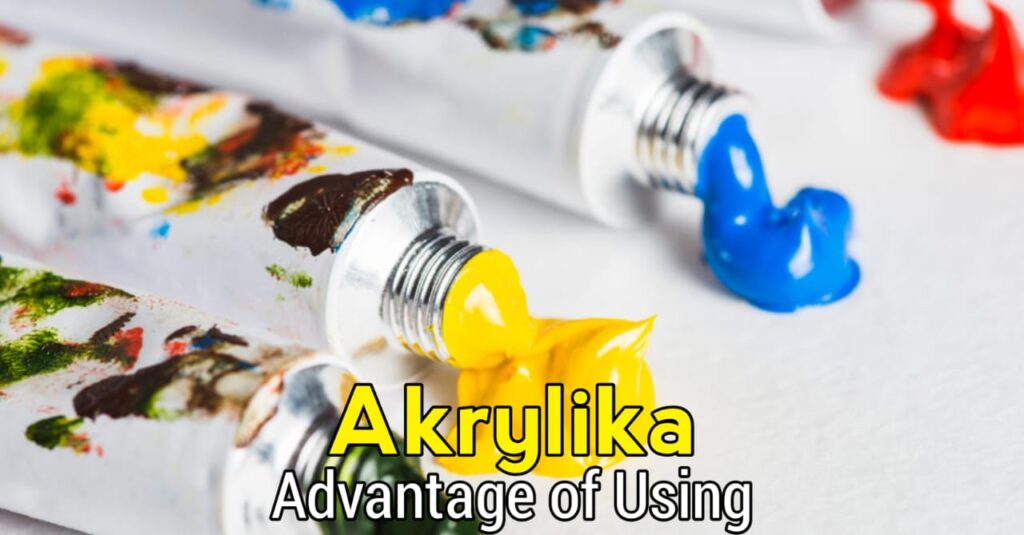
One of the main advantages of Akrylika, whether in paints or plastics, is its versatility. Artists can achieve diverse effects, and designers can create functional and decorative objects with similar materials. The ease of handling, durability, and adaptability across different projects makes acrylics suitable for professionals and beginners alike. Its properties allow for experimentation and innovation without the high risk of failure.
Another advantage is safety and convenience. Acrylic paints are water-based, non-toxic, and easy to clean, which makes them ideal for classrooms, homes, and studios. Acrylic plastics are safer than glass as they are shatter-resistant, making them suitable for high-traffic areas or projects where safety is a concern. This balance of performance and practicality is a key reason why Akrylika is so widely used today.
Additionally, Akrylika is cost-effective compared to alternatives. Acrylic paints are generally more affordable and easier to manage than oil or specialty paints. Acrylic plastics, while offering transparency and durability similar to glass, are lighter, easier to transport, and often cheaper. These combined advantages make Akrylika an attractive choice for both artistic and industrial applications, offering quality, safety, and flexibility in one material.
Conclusion
Akrylika, in both paint and plastic forms, is truly a remarkable material with wide-ranging uses. Its versatility, durability, and adaptability make it invaluable in the fields of art, design, and industry. From vibrant paintings that express creativity to practical acrylic sheets used in construction and design, Akrylika proves to be a material that combines beauty with functionality. Understanding its properties and applications can help artists, designers, and creators make the most of this incredible medium.
Whether you are a painter exploring new techniques or a designer looking for safe and flexible materials, Akrylika offers endless possibilities. Its combination of aesthetic appeal, practicality, and reliability ensures that it will continue to be a favorite choice in various fields for years to come.
FAQs
Q1: What is Akrylika?
A1: Akrylika refers to acrylics, including acrylic paints used in art and acrylic plastics used in design and construction.
Q2: Why are acrylic paints popular?
A2: Acrylic paints are popular because they dry quickly, are versatile, water-based, and maintain their color and texture over time.
Q3: What are acrylic plastics used for?
A3: Acrylic plastics are used for windows, furniture, protective screens, aquariums, signage, and decorative applications due to their clarity and durability.
Q4: Are acrylics safe to use?
A4: Yes, acrylic paints are generally non-toxic and easy to clean, while acrylic plastics are shatter-resistant, making them safer than glass.
Q5: What makes Akrylika versatile?
A5: Akrylika is versatile because it can be applied in various artistic styles, molded into different shapes, and used for both decorative and functional purposes.