
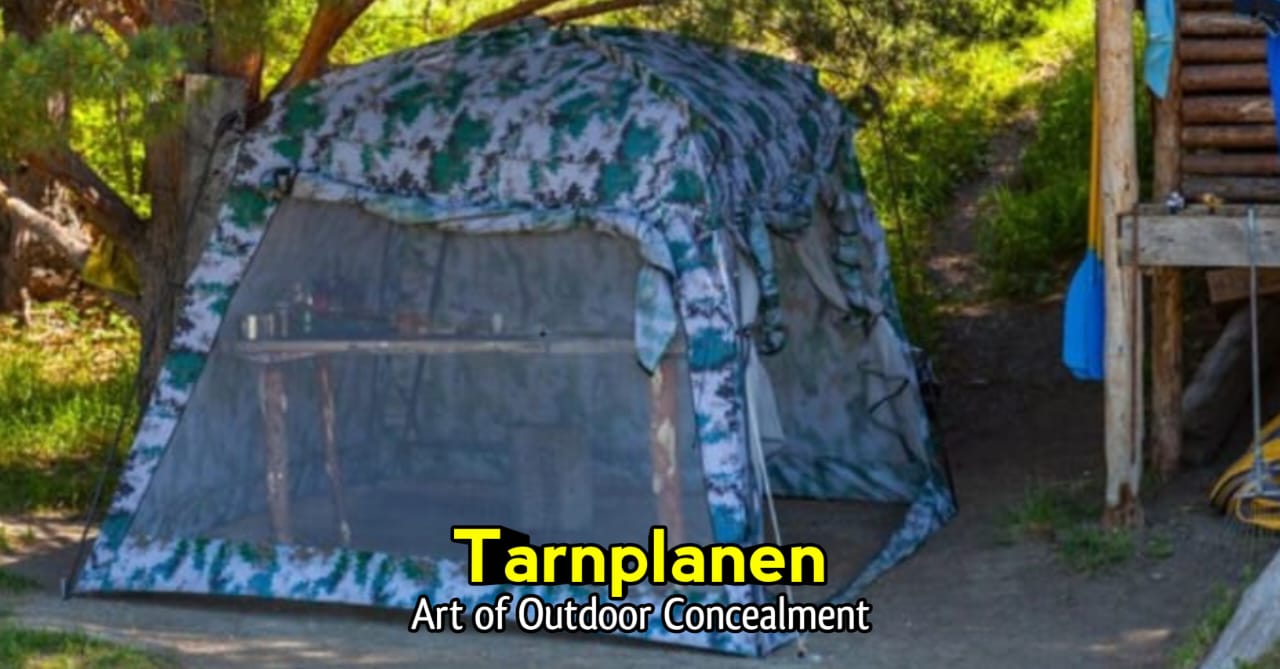
Tarnplanen: The Rugged Art of Outdoor Concealment
Tarnplanen are strong fabric coverings created to provide concealment and protection in outdoor environments. The term originates from German, combining “Tarn,” meaning camouflage, and “Planen,” meaning tarpaulins or covers. Together, the word represents a practical solution designed to help people and objects blend into their surroundings while remaining shielded from environmental exposure.
These coverings are commonly associated with natural landscapes such as forests, open fields, and mountainous terrain, but they are also effective in urban environments where visual blending is equally important. Their purpose goes beyond simple coverage, offering a thoughtful balance between invisibility and durability that has made them valuable across different uses.
Over time, the concept has grown from a strictly functional military item into a versatile outdoor tool appreciated by civilians. Today, these camouflage covers are recognized not only for concealment but also for their reliability, adaptability, and long-term performance in challenging conditions.
Historical Origins and Military Foundations
The earliest development of tarnplanen can be traced back to military needs in Europe, particularly in German-speaking regions. Armed forces required a dependable way to hide troops, equipment, and supplies from visual detection while operating in open terrain. Fabric covers designed with camouflage patterns became a crucial part of tactical planning.
During early military use, these coverings were engineered to reduce visibility from both ground and distance perspectives. Natural color patterns were selected carefully to match forests, fields, and seasonal landscapes. This focus on blending rather than blocking made them more effective than solid barriers or rigid shelters.
As military technology evolved, so did camouflage materials. While the original purpose remained strategic concealment, the design improvements introduced better water resistance, stronger stitching, and lighter construction. These refinements later made it possible for non-military users to adopt them for peaceful and practical purposes.
Material Design and Functional Strength
One of the defining qualities of these camouflage covers is the strength of the materials used in their construction. Typically made from heavy-duty synthetic fabrics or treated natural fibers, they are built to withstand wind, rain, and repeated handling. This durability allows them to perform reliably in outdoor environments over long periods.
Water resistance is another essential feature. The fabrics are often coated or tightly woven to prevent moisture penetration, helping protect what lies beneath. This characteristic makes them useful not only for concealment but also for shelter, storage, and ground coverage in unpredictable weather.
Despite their toughness, mobility remains a priority. These covers are designed to be folded, rolled, and transported with ease. This balance between strength and portability is a major reason they continue to be valued in both professional and civilian settings.
Transition from Military to Civilian Use
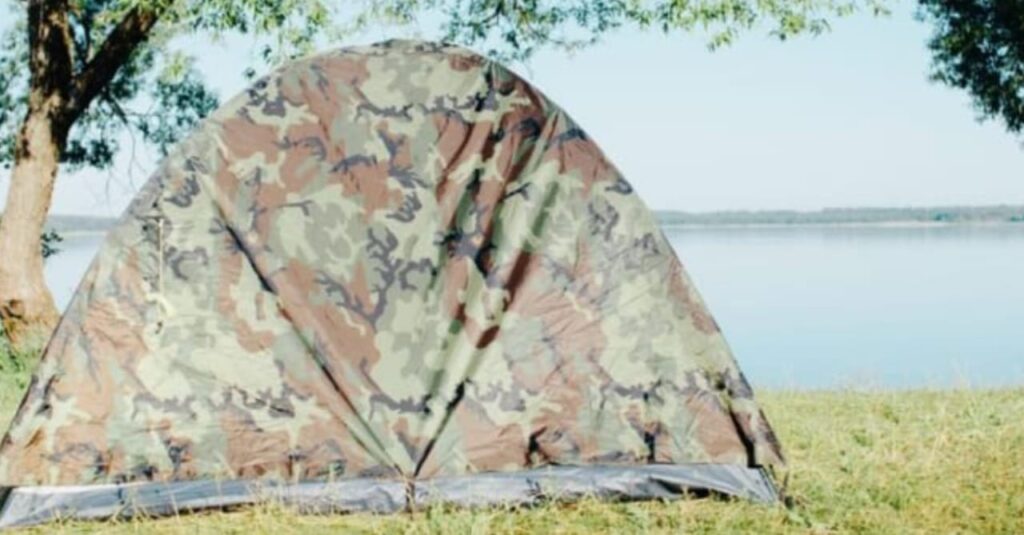
As surplus equipment became available and outdoor recreation gained popularity, civilians began to recognize the usefulness of these camouflage coverings. Hunters found them helpful for blending into natural surroundings, while campers and survival enthusiasts appreciated their protective qualities.
Workers in agriculture, forestry, and outdoor construction also adopted them as temporary shelters or equipment covers. Their ability to shield tools and materials from weather while remaining visually discreet proved to be a practical advantage in many working environments.
This transition marked a shift in perception. What was once seen strictly as military gear became a multifunctional outdoor solution. The same qualities that supported tactical concealment now supported comfort, efficiency, and protection in everyday outdoor life.
Modern Applications and Versatility
In modern times, these camouflage covers are used across a wide range of activities. Outdoor enthusiasts rely on them for camping setups, emergency shelters, and protective ground layers. Their adaptability allows users to create shade, block wind, or shield equipment with minimal effort.
Urban uses have also emerged, particularly in film production, event staging, and temporary installations where visual blending is required. Their neutral patterns and flexible design allow them to adapt to environments beyond nature without drawing attention.
The growing interest in survival preparedness has further increased their popularity. People value tools that are reliable, reusable, and capable of serving multiple purposes, and these fabric covers meet all of those expectations without unnecessary complexity.
Cultural Significance and Practical Appeal
Beyond their physical function, tarnplanen reflect a broader appreciation for preparedness and adaptability. They represent a mindset focused on readiness, self-reliance, and respect for the environment. This cultural shift has helped maintain their relevance even as outdoor technology continues to evolve.
Their understated design avoids excess while prioritizing purpose. This simplicity resonates with users who prefer practical gear over flashy alternatives. The visual language of camouflage itself has become symbolic of resilience and thoughtful planning.
As outdoor lifestyles continue to grow in popularity, the demand for reliable and discreet equipment remains strong. These covers fit naturally into that space, offering a time-tested solution that aligns with modern values of efficiency and sustainability.
Conclusion
Tarnplanen have evolved from specialized military tools into versatile outdoor essentials. Rooted in the principles of camouflage and protection, they offer durability, adaptability, and practical value across a wide range of environments. Their continued use reflects a balance between tradition and modern needs, proving that simple, well-designed solutions can remain relevant for generations. Whether used for work, recreation, or preparedness, they stand as a quiet example of strength through thoughtful design.
FAQs
What does tarnplanen mean?
tarnplanen is a German-derived term combining words for camouflage and coverings, referring to strong fabric covers designed for concealment and protection.
Are these covers only used in military settings?
No, while they originated in military use, they are now widely used by civilians for outdoor activities and work.
Do they protect against rain and weather?
Yes, they are typically made from durable, water-resistant materials suitable for outdoor conditions.
Can they be used in urban environments?
Yes, their design allows them to blend into both natural and built surroundings when needed.
Why are they popular among outdoor enthusiasts?
Their durability, portability, and multifunctional nature make them reliable tools for various outdoor needs.
it