
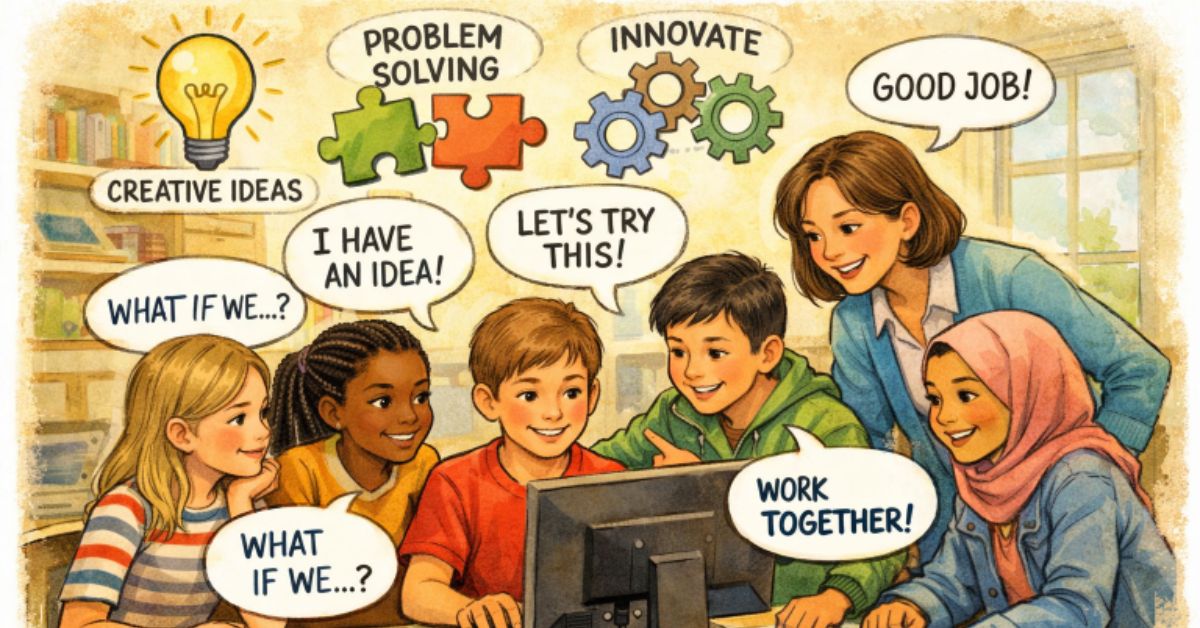
How Computer Science Education Shapes Future Innovators
Key Takeaways:
- Computer science education fosters critical thinking and problem-solving skills essential for innovation.
- Early exposure to computer science can lead to increased participation in STEM fields.
- Inclusive computer science programs help bridge the digital divide and promote diversity in tech industries.
- Partnerships between educational institutions and industry leaders enhance the relevance and effectiveness of computer science curricula.
The Role of Computer Science Education in Developing Critical Skills
Computer science education plays a transformative role in developing future innovators. Not only does it open pathways to technical careers, but it also imbues students with essential skills, such as logical reasoning, complex problem-solving, and a collaborative mindset. Engaging with computer science at any level, whether basic coding or higher-order algorithmic thinking, equips learners to navigate challenges both inside and outside the classroom. Programs like the CS education program provide structured opportunities that help students cultivate these valuable skills.
The intellectual discipline demanded by computer science extends beyond technical expertise. By encouraging creativity, resilience, and adaptability, computer science education serves as a foundation for innovative thinking. The ability to approach problems methodically, deconstruct them, and devise solutions is integral not only to technology fields but also to broader societal advancement.
Early Exposure and Its Impact on STEM Participation
Introducing computer science to learners at an early age has a profound impact on their academic and professional trajectories. Studies have shown that children exposed to coding and computational concepts in elementary or middle school are more likely to pursue STEM-related subjects and careers later in life. Integrating computer science into K-12 curricula makes technology more approachable and relevant, helping students to envision themselves as future contributors to technological progress.
Real-world platforms, such as coding competitions and science fairs, provide young students with opportunities to test their skills, solve complex problems, and collaborate with peers. Events like the Regeneron International Science and Engineering Fair (ISEF) create an environment where emerging talent can showcase their innovations, inspiring others to follow in their footsteps.
The synergy between early exposure and ongoing support is crucial. When computer science is positioned as foundational, on par with math or literacy, it allows for seamless integration and increases the likelihood of students developing a genuine interest.
Bridging the Digital Divide Through Inclusive Education
Talent is universal, but opportunity is not. Making computer science education accessible and inclusive is vital for bridging the digital divide that persists in many communities. By revising curricula and offering outreach programs in underserved areas, educators can introduce computer science concepts to students regardless of location or socioeconomic status. This approach not only increases diversity in technology fields but also brings a range of perspectives and ideas that fuel innovation.
Targeted initiatives and partnerships help ensure that girls, students of color, and other underrepresented groups see computer science as a viable and welcoming path. Research by leading organizations underscores that inclusive and equitable programs not only foster broader STEM participation but also address systemic barriers that have historically limited access.
Enhancing Curricula Through Industry Partnerships
Partnerships between schools, universities, and technology companies are essential for developing and maintaining relevant computer science curricula. Through ongoing collaboration, educators gain insights into current industry best practices, new technologies, and real-world applications. Students benefit by acquiring practical skills and a deeper understanding of how their education translates to the workforce.
These partnerships often result in mentorship programs, internship pipelines, and access to emerging technologies. Such collaborative models ensure computer science instruction remains dynamic and responsive to the changing demands of the global economy. Exposure to real business challenges helps students transition smoothly from education into impactful careers.
Real-World Applications and Project-Based Learning
Integrating real-world applications and project-based learning into computer science classes significantly enhances student engagement. When learners are allowed to work on meaningful projects, such as developing apps to solve local problems, participating in robotics teams, or tackling environmental challenges, they witness firsthand the tangible benefits of their developing skills.
This method fosters creativity, critical thinking, and the confidence to tackle complex issues beyond the classroom. Project-based learning not only builds technical acumen but also teaches students about collaboration, leadership, and the value of diverse perspectives.
The Importance of Continuous Professional Development for Educators
The pace of technological change requires that educators receive ongoing professional development in both pedagogy and technical fields. Staying up to date with the latest programming languages, software tools, and teaching strategies is vital for delivering high-quality computer science education. Schools and districts should invest in instructor training so that teachers can adapt curricula to evolving standards and student needs.
Professional learning communities, workshops, and certification programs help educators maintain expertise and confidence, enabling them to inspire and lead their students effectively. Support for teachers is ultimately reflected in student outcomes, ensuring that the next generation of innovators receives the guidance they need.
Measuring the Success of Computer Science Programs
Evaluation is necessary for progress. Effective assessment of computer science programs involves tracking diverse metrics, from classroom participation rates and curriculum completion to alumni success stories. Gathering data on student engagement, diversity of enrollees, and post-graduation achievements informs decisions about curriculum refinement and resource allocation.
Adopting clear benchmarks allows educators and administrators to identify gaps, measure growth, and adapt teaching methods accordingly. These insights can lead to improved access, better teaching resources, and expanded outreach efforts.
Conclusion
Computer science education is a keystone for shaping the next generation of innovators. It furnishes learners with essential problem-solving, creativity, and collaboration skills while nurturing a broad spectrum of talents through inclusive opportunities. With early exposure, industry partnership, real-world learning, continuous educator development, and meaningful program evaluation, society can ensure a diverse, well-prepared workforce ready to drive technological progress.
Also Read: Florncelol: The Curious Story Behind a Viral Name